Independent reviews. No paid rankings. No sponsored placements.

Scaling an e-commerce business sounds glamorous until you actually try to do it. Then it becomes a juggling act involving logistics, marketing, customer service, inventory chaos, and about twelve tools that don’t talk to each other.
This is where SaaS (Software as a Service) steps in—not as a magical solution, but as the closest thing modern businesses have to operational sanity.
SaaS platforms allow e-commerce businesses to automate processes, centralize operations, and scale without needing a massive in-house tech team. Instead of building everything from scratch, you plug into tools that already exist—and hopefully work.
Best E-Commerce Platforms & Tools in 2026
This guide explores how SaaS enables scalable e-commerce growth, what tools matter, and how to build a system that doesn’t collapse the moment your sales spike.
What Is SaaS in E-Commerce?
In e-commerce, SaaS powers:
- Storefront platforms
- Payment processing
- Marketing automation
- Inventory management
- Analytics and reporting
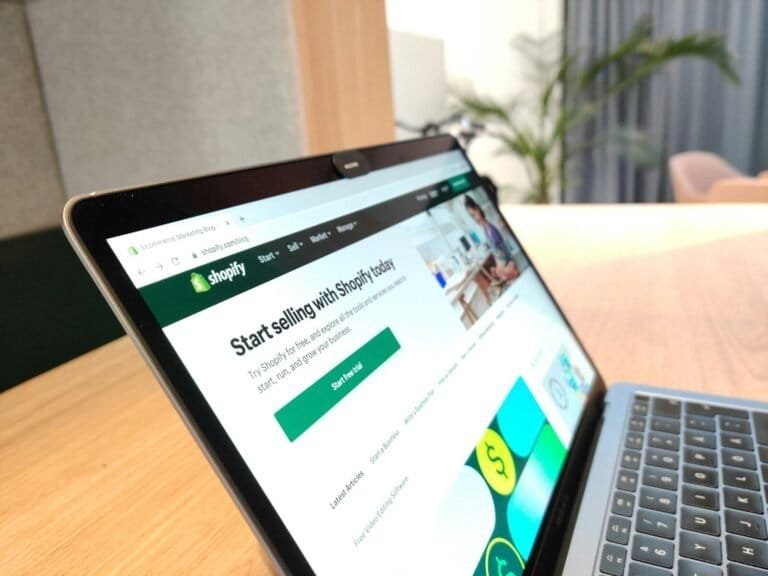
Examples include Shopify, BigCommerce, Klaviyo, Stripe, and more.
Why SaaS Is Critical for Scaling
1. Cost Efficiency
Traditional infrastructure requires upfront investment. SaaS spreads costs over time.
2. Speed of Deployment
You can launch features in hours instead of months.
3. Flexibility
Scale up or down based on demand.
4. Integration Ecosystem
Modern SaaS tools integrate with each other, creating unified workflows.
Core SaaS Categories for E-Commerce Scaling
1. E-Commerce Platforms
These are the foundation of your store.
Popular Options
- Shopify
- BigCommerce
- WooCommerce (hybrid SaaS)
Key Features
- Product management
- Checkout systems
- Hosting and security
2. Payment & Billing Solutions
Key Tools
- Stripe
- PayPal
- Square
Benefits
- Global payment support
- Fraud protection
- Subscription billing
3. Marketing Automation
Key Tools
- Klaviyo
- Mailchimp
- HubSpot
Capabilities
- Email campaigns
- Customer segmentation
- Behavior tracking
4. Inventory & Order Management
Key Tools
- TradeGecko (QuickBooks Commerce)
- Zoho Inventory
- Cin7
Benefits
- Real-time stock tracking
- Multi-channel syncing
5. Customer Support SaaS
Key Tools
- Zendesk
- Intercom
- Freshdesk
Features
- Live chat
- Ticketing systems
- AI chatbots
6. Analytics & Data Platforms
Key Tools
- Google Analytics
- Triple Whale
- Mixpanel
Benefits
- Customer insights
- Conversion tracking
Building a Scalable SaaS Stack
Scaling isn’t about having more tools. It’s about having the right ones working together.
Step 1: Define Your Core Workflow
Map out your operations:
- Customer acquisition
- Order processing
- Fulfillment
- Retention
Step 2: Choose Integration-Friendly Tools
APIs and native integrations are essential.
Step 3: Avoid Tool Overload
Too many tools create complexity.
Step 4: Automate Repetitive Tasks
Use automation for:
- Email flows
- Order updates
- Customer segmentation
Automation Strategies for Scaling
1. Marketing Automation
- Abandoned cart emails
- Personalized offers
2. Fulfillment Automation
- Auto-routing orders
- Inventory updates
3. Customer Support Automation
- Chatbots
- Automated responses
SaaS and Multi-Channel Selling
Modern e-commerce spans multiple channels:
- Website
- Marketplaces (Amazon, eBay)
- Social commerce
SaaS tools unify these channels into one dashboard.
Challenges of Scaling with SaaS
1. Subscription Costs Add Up
2. Integration Issues
3. Data Silos
4. Vendor Lock-In
Best Practices for SaaS Scaling
- Regularly audit tools
- Monitor ROI
- Train your team
- Prioritize security
Future Trends in SaaS for E-Commerce
1. AI-Powered Automation
2. Headless Commerce
3. No-Code/Low-Code Platforms
4. Predictive Analytics
Real-World Example
A mid-sized brand scaling from $10K to $1M/month used:
- Shopify for storefront
- Klaviyo for marketing
- Stripe for payments
- Zendesk for support
Result: streamlined operations and scalable growth.
Final Thoughts
Scaling an e-commerce business isn’t about working harder—it’s about building systems that work smarter.
SaaS provides the infrastructure, but success depends on strategy.
FAQs
1. What is SaaS in e-commerce?
Cloud-based tools that help manage and scale online businesses.
2. Is SaaS better than custom development?
For most businesses, yes—faster and more cost-effective.
3. What is the best SaaS platform?
Shopify is widely considered the best for ease of use.
4. Can SaaS handle large-scale businesses?
Yes, many platforms support enterprise-level scaling.
5. How do I choose the right SaaS tools?
Focus on integrations, scalability, and ROI.
Conclusion
SaaS has transformed e-commerce scaling from a technical nightmare into a manageable system.
But tools alone won’t save you—strategy, execution, and consistency still matter.