Independent reviews. No paid rankings. No sponsored placements.

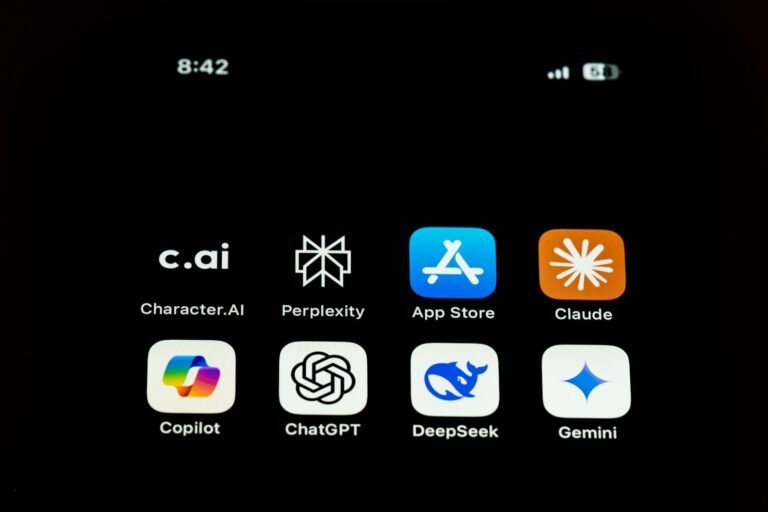
Generative AI has rapidly transformed how businesses, creators, and developers produce content, write code, design visuals, and automate workflows. From AI writing assistants to image generators and code copilots, generative AI tools are becoming essential productivity platforms across industries.
However, alongside the opportunities come important risks—such as misinformation, copyright issues, and data privacy concerns.
This guide explores what generative AI tools are, how they’re used, the risks they introduce, and reviews of some of the most popular platforms available today.
Best Artificial Intelligence Software & Platforms in 2026
What Are Generative AI Tools?
Generative AI tools are software systems that use advanced machine learning models to create new content rather than simply analyze existing data.
These tools are typically powered by large neural networks trained on massive datasets that allow them to generate outputs such as:
- Text
- Images
- Videos
- Music
- Code
- Voice synthesis
- 3D assets
Most generative AI platforms rely on technologies such as large language models (LLMs) or diffusion models.
Examples include AI writing tools, image generators, AI video creators, and coding assistants.
Major Use Cases for Generative AI
Generative AI tools are now used across nearly every digital industry.
1. Content Creation
One of the most common uses of generative AI is content generation.
Examples include:
- Blog writing
- Social media posts
- Marketing copy
- Product descriptions
- Email campaigns
- SEO content
AI writing assistants can produce drafts within seconds, significantly speeding up content workflows.
2. Image and Graphic Generation
AI image generators allow users to create visuals from text prompts.
Common use cases include:
- Marketing graphics
- Concept art
- Illustrations
- Social media visuals
- Game assets
- Product mockups
Designers often use AI tools to rapidly prototype ideas before creating final artwork.
3. Software Development
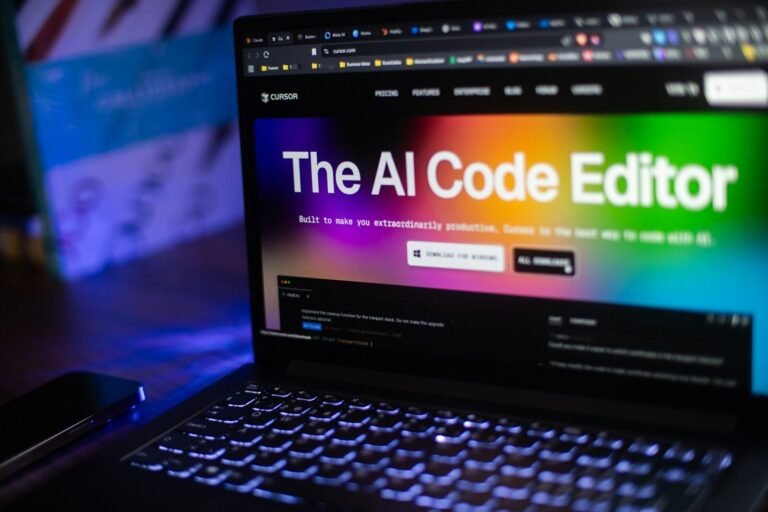
Generative AI is increasingly used to assist developers with coding tasks.
Typical use cases:
- Code generation
- Debugging
- Documentation writing
- Code explanation
- Test generation
AI coding assistants can dramatically reduce development time for common programming tasks.
4. Video and Media Production
AI video generators and voice synthesis tools are enabling new forms of automated media production.
Examples include:
- AI-generated explainer videos
- AI avatars and presenters
- Video editing automation
- AI voiceovers
- Podcast production
These tools are increasingly used in marketing, education, and social media content.
5. Business Automation
Generative AI tools can automate repetitive business workflows.
Examples include:
- Customer support responses
- Knowledge base generation
- Meeting summaries
- Data analysis reports
- Automated research
Organizations are integrating generative AI into internal productivity systems.
Key Risks of Generative AI
While generative AI offers major productivity gains, it also introduces several risks that businesses and individuals should consider.
1. Misinformation and Hallucinations
Generative AI systems can sometimes produce incorrect or fabricated information.
These errors—often called AI hallucinations—can appear convincing but may contain factual inaccuracies.
For critical content such as research, legal documents, or financial analysis, human verification is essential.
2. Copyright and Intellectual Property Issues
Many generative AI models are trained on large datasets that may include copyrighted material.
This raises questions about:
- Ownership of AI-generated content
- Training data usage
- Copyright infringement risks
Some organizations now require disclosure when AI-generated content is used.
3. Data Privacy Concerns
When users submit prompts or documents to AI tools, that data may be processed or stored by the platform.
Potential risks include:
- Sensitive data exposure
- Training data reuse
- Compliance issues
Businesses handling confidential data should carefully review AI platform privacy policies.
4. Bias in AI Outputs
AI models can reflect biases present in their training data.
This can result in:
- Cultural bias
- Gender bias
- Inaccurate assumptions
- Stereotypical outputs
Responsible AI use requires awareness and oversight.
5. Over-Reliance on Automation
While generative AI can accelerate work, excessive reliance on automated outputs may reduce critical thinking and creative input.
Human review remains an essential part of responsible AI use.
Reviews of Popular Generative AI Tools
Below is a quick overview of several widely used generative AI platforms.
| Tool | Primary Use | Strengths | Limitations |
|---|---|---|---|
| ChatGPT | Text generation, research, coding | Strong reasoning, versatile | May produce outdated or incorrect info |
| Midjourney | AI image generation | High-quality artistic images | Requires prompt experimentation |
| DALL·E | Image creation | Good prompt interpretation | Less stylistically consistent |
| Jasper AI | Marketing content | SEO-focused writing | Subscription pricing |
| Runway ML | AI video generation | Advanced video tools | Learning curve for beginners |
Each platform specializes in different creative workflows.
Choosing the Right Generative AI Tool
When evaluating generative AI platforms, consider several key factors:
1. Primary Use Case
Different tools are optimized for different tasks.
For example:
- Writing tools for marketing content
- Image generators for design
- Coding assistants for development
Selecting the right category is the first step.
2. Output Quality
Some tools produce more reliable outputs than others.
Quality often depends on:
- Model size
- training data
- prompt design
- domain specialization
Testing multiple platforms is often worthwhile.
3. Pricing Structure
Generative AI tools typically use one of three pricing models:
- Monthly subscription
- Usage-based credits
- Enterprise licensing
Costs can scale quickly depending on usage volume.
4. Integration Capabilities
For businesses, integration is crucial.
Important integrations include:
- API access
- CMS integrations
- marketing tools
- developer frameworks
Automation workflows become far more powerful with integrations.
The Future of Generative AI
Generative AI technology is evolving rapidly. Future developments may include:
- More accurate and reliable AI models
- Improved multimodal capabilities (text, image, video combined)
- Real-time collaboration with AI systems
- Personalized AI assistants for individuals and businesses
As the technology matures, generative AI is likely to become a foundational layer of modern software tools.
Final Thoughts
Generative AI tools are reshaping digital creation, automation, and productivity across industries. From content writing and graphic design to coding and video production, these platforms allow individuals and organizations to accomplish more with fewer resources.
However, responsible use is critical. Understanding the risks—including misinformation, copyright concerns, and data privacy—is essential when integrating AI into workflows.
For businesses and creators who approach it thoughtfully, generative AI represents one of the most powerful technological shifts of the decade.
Frequently Asked Questions
What are generative AI tools?
Generative AI tools are software systems that create new content—such as text, images, code, or videos—using advanced machine learning models.
What industries use generative AI?
Generative AI is used across many industries including marketing, software development, media production, design, education, and research.
Are generative AI tools safe to use?
Most generative AI tools are safe when used responsibly, but users should be aware of risks such as misinformation, copyright issues, and data privacy concerns.
What is the most popular generative AI tool?
Some of the most widely used generative AI platforms include ChatGPT, Midjourney, Jasper AI, and DALL·E.
Can generative AI replace human creativity?
Generative AI is best used as a productivity assistant rather than a replacement for human creativity. Human oversight and editing remain essential.