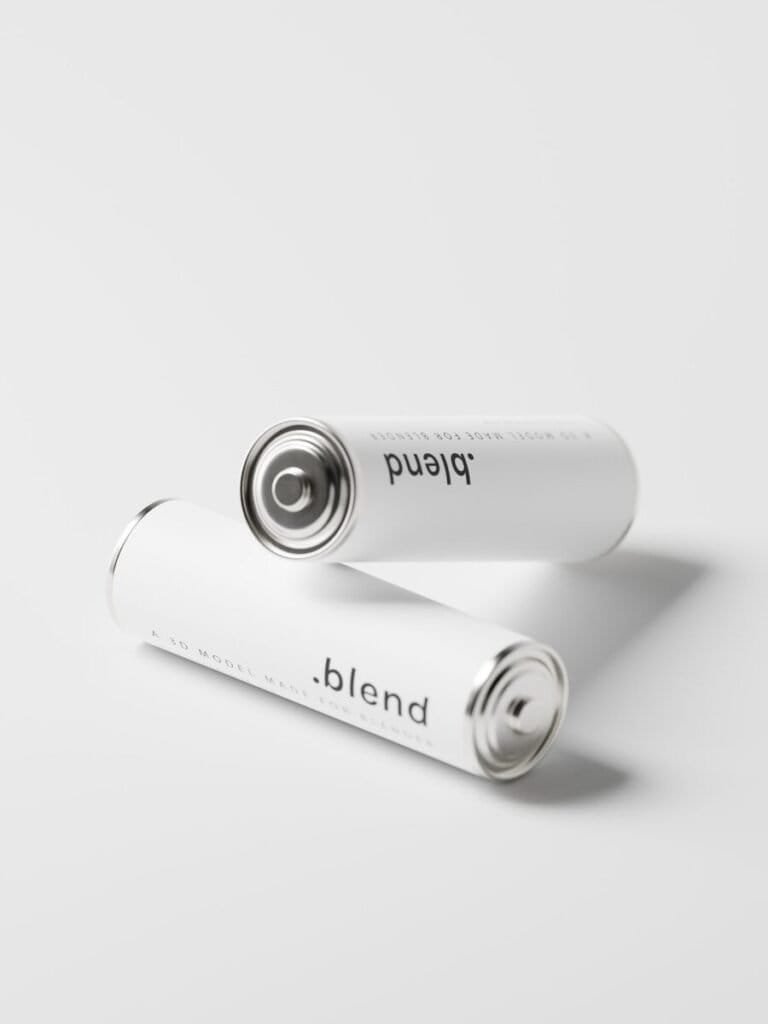
As technology continues to evolve rapidly, households and businesses are generating more electronic waste (e-waste) than ever before. Old smartphones, laptops, batteries, chargers, and appliances often end up unused, forgotten in drawers, or improperly discarded.
Improper disposal of electronics and batteries poses serious environmental and health risks. Toxic materials such as lead, mercury, cadmium, and lithium can contaminate soil and water, while valuable materials like gold, copper, and rare earth metals go to waste.
In 2026, responsible recycling is no longer optional—it is essential. This comprehensive guide explains how to properly recycle old batteries and electronics, why it matters, and how individuals and businesses can contribute to a more sustainable future.
What is E-Waste?
Electronic waste (e-waste) refers to discarded electrical and electronic devices.
Common Examples
- Smartphones
- Laptops and desktops
- Tablets
- Televisions
- Batteries
- Chargers and cables
- Household appliances
Why Recycling Electronics Matters
1. Environmental Protection
E-waste contains hazardous materials that can pollute ecosystems.
2. Resource Recovery
Electronics contain valuable metals that can be reused.
3. Energy Savings
Recycling uses less energy than producing new materials.
4. Reducing Landfill Waste
Prevents accumulation of toxic waste.
Types of Batteries and Their Risks
1. Alkaline Batteries
Common household batteries with moderate environmental impact.
2. Lithium-Ion Batteries
Used in phones and laptops; risk of fire if damaged.
3. Lead-Acid Batteries
Found in vehicles; highly toxic but recyclable.
4. Nickel-Cadmium Batteries
Contain hazardous cadmium.
Why Batteries Require Special Handling
- Risk of leakage
- Fire hazards
- Toxic chemical exposure
How to Prepare Electronics for Recycling
1. Backup Your Data
Ensure all important data is saved.
2. Perform Factory Reset
Remove personal information.
3. Remove Batteries
Separate components when possible.
4. Clean Devices
Remove dust and debris.
How to Recycle Batteries Properly
Step 1: Identify Battery Type
Different batteries require different recycling processes.
Step 2: Use Designated Collection Points
Drop off at certified recycling centers.
Step 3: Avoid Mixing Batteries
Store separately to prevent reactions.
Step 4: Tape Terminals
Prevents short circuits.
How to Recycle Electronics Properly
1. Manufacturer Take-Back Programs
Many brands offer recycling programs.
2. Certified E-Waste Recyclers
Choose certified facilities.
3. Retail Drop-Off Locations
Electronics stores often accept old devices.
4. Community Recycling Events
Local initiatives provide collection services.
What Happens During Recycling?
1. Collection
Devices are gathered from users.
2. Sorting
Items are categorized by type.
3. Dismantling
Components are separated.
4. Material Recovery
Metals and plastics are extracted.
5. Disposal of Hazardous Materials
Handled safely.
Common Mistakes to Avoid
- Throwing batteries in trash
- Not wiping personal data
- Mixing different battery types
- Using uncertified recyclers
Environmental Impact of Improper Disposal
- Soil contamination
- Water pollution
- Air pollution
- Wildlife harm
Benefits of Responsible Recycling
- Reduces pollution
- Conserves resources
- Supports circular economy
- Creates jobs
Tips for Reducing E-Waste
1. Buy Durable Products
2. Repair Instead of Replace
3. Donate Usable Devices
4. Reuse Accessories
Recycling Laws and Regulations
Many countries enforce e-waste management laws to ensure safe disposal.
Business Responsibility in E-Waste Management
Companies must adopt sustainable practices and comply with regulations.
Future Trends in Recycling (2026+)
- AI-driven sorting systems
- Advanced material recovery
- Circular economy models
- Smart recycling bins
Final Verdict
Recycling old batteries and electronics is a crucial step toward environmental sustainability. By following proper disposal methods, individuals can reduce pollution, conserve resources, and contribute to a healthier planet.
Small actions—like recycling a single battery—can collectively make a significant impact.
FAQ
Why can’t I throw batteries in the trash?
They contain harmful chemicals that can leak and cause environmental damage.
Where can I recycle electronics?
At certified recycling centers, retail stores, or community events.
Is it safe to recycle old phones?
Yes, if you erase personal data before recycling.
What happens to recycled electronics?
They are dismantled and materials are reused.