Keeping your CPAP machine clean is essential for your health and sleep quality. This guide explains how to properly clean each part, how often to do it, and common mistakes to avoid.
If you use a CPAP machine, you already know it’s not optional equipment. It’s the thing standing between you and a night of fragmented sleep, snoring complaints, and waking up feeling like you wrestled a mattress.
So naturally, the device that pushes air into your lungs all night should be… clean.
And yet, many people treat CPAP maintenance like it’s a suggestion instead of a requirement. The result? Bacteria buildup, unpleasant smells, and a machine that’s quietly working against you.
This guide walks through how to clean your CPAP machine properly, how often to do it, what to avoid, and how to keep the whole system functioning safely without turning it into a complicated ritual.
What Is a CPAP Machine?
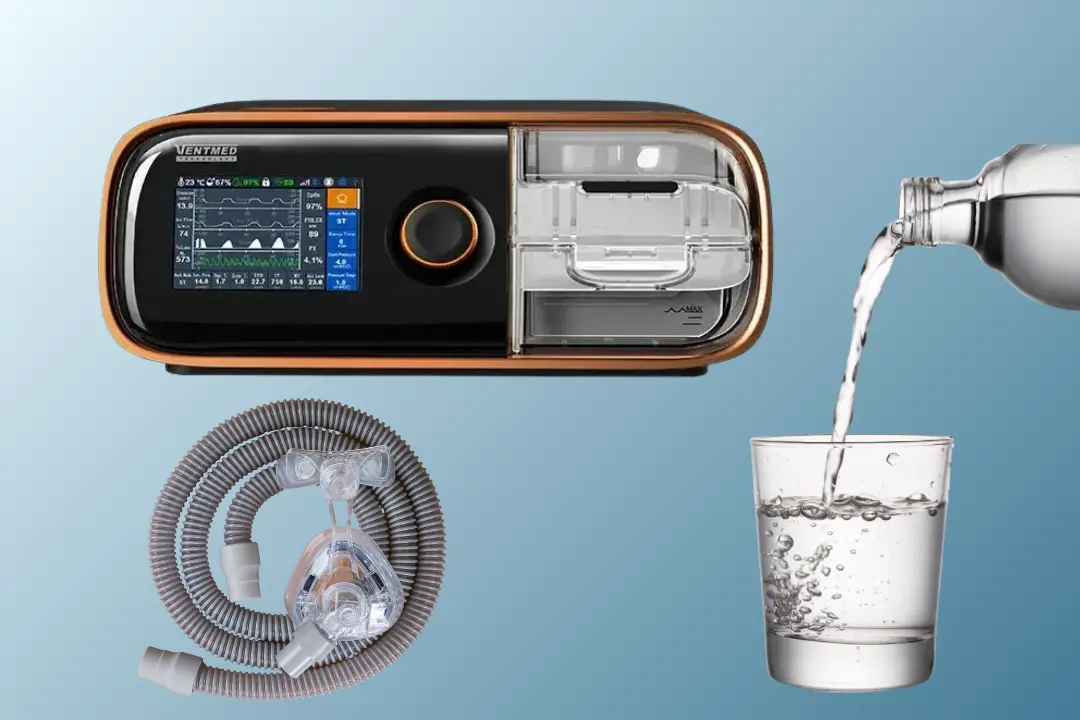
CPAP Machine
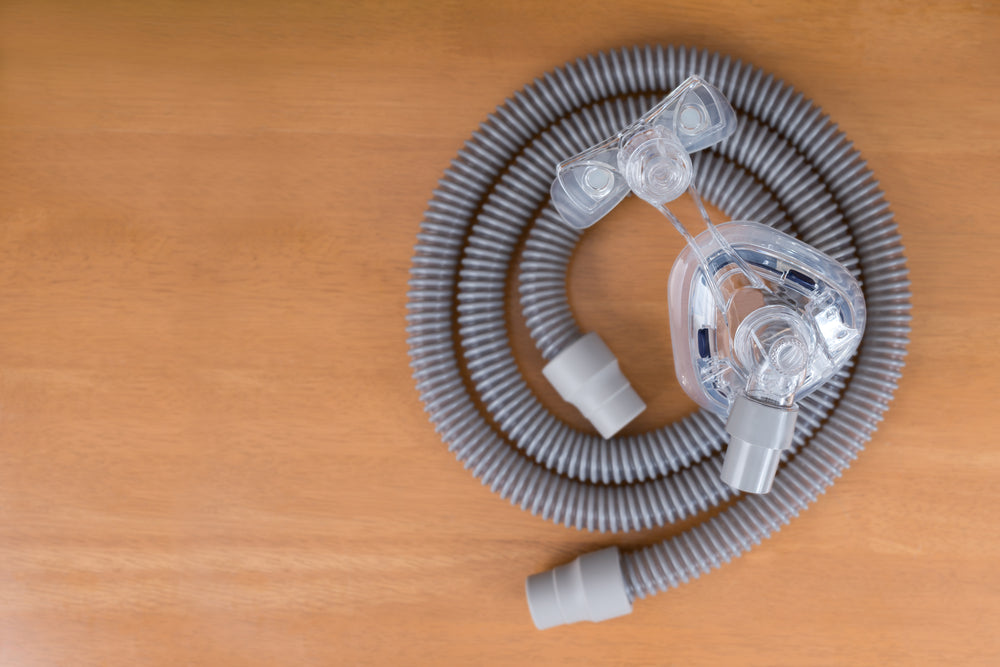
A CPAP (Continuous Positive Airway Pressure) machine is used to treat Sleep Apnea by delivering a steady stream of air through a mask to keep airways open during sleep.
Main components include:
Mask
Tubing
Humidifier chamber
Filters
Main machine unit
Each of these parts requires regular cleaning because they are exposed to moisture, air, and your breathing every night.
Why Cleaning Your CPAP Matters
Let’s skip the gentle phrasing.
If you don’t clean your CPAP properly, you’re basically breathing through a device that collects:
Moisture
Bacteria
Mold
Dust
This can lead to:
Respiratory infections
Skin irritation
Allergic reactions
Reduced machine efficiency
So yes, cleaning is not optional. It’s basic hygiene with higher stakes.
How Often Should You Clean Your CPAP?
Here’s a realistic schedule:
Daily
Mask cushion
Humidifier water chamber (empty and rinse)
Weekly
Mask (full clean)
Tubing
Humidifier chamber (deep clean)
Monthly
Filters (check and replace if needed)
It’s not complicated. It just requires consistency, which is where most people fail.
Supplies You’ll Need
Before you panic and think this requires specialized equipment, it doesn’t.
You need:
Mild soap (fragrance-free, non-antibacterial)
Warm water
Clean towel
A basin or sink
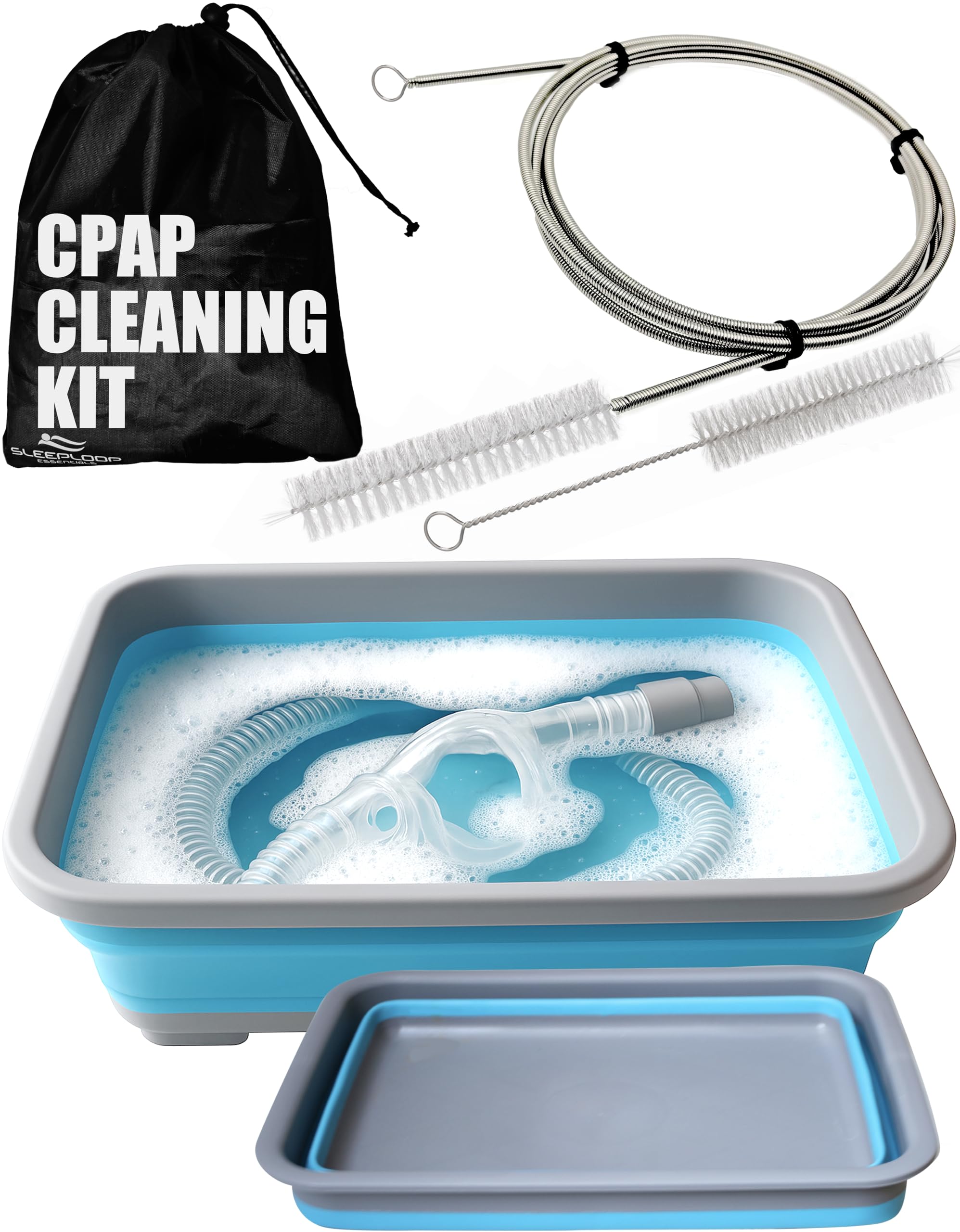
That’s it. No expensive “CPAP cleaning kit” required.
Step-by-Step: Cleaning Your CPAP Machine
Step 1: Disconnect Everything
Turn off and unplug the machine.
Remove:
Mask
Tubing
Humidifier chamber
Do not clean the main machine with water. It is not a submarine.
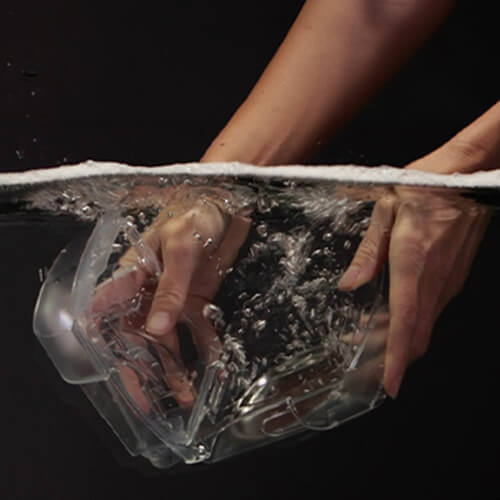
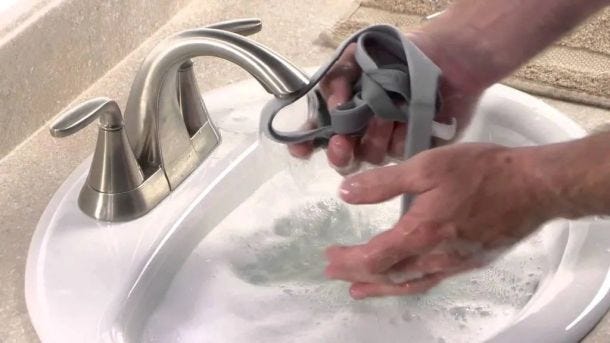
Step 2: Clean the Mask
The mask sits directly on your face, so it collects oils, sweat, and bacteria.
Daily cleaning:
Wash with warm water and mild soap
Rinse thoroughly
Air dry
Avoid harsh chemicals. Your skin and lungs will notice.
Step 3: Clean the Tubing
Tubing can trap moisture, making it a perfect place for bacteria to grow.
Weekly cleaning:
Submerge in warm soapy water
Gently swirl water through the tube
Rinse thoroughly
Hang to air dry completely
Make sure it’s fully dry before reconnecting. Damp tubes are not your friend.
Step 4: Clean the Humidifier Chamber
The humidifier adds moisture to the air, which also means it’s prone to mineral buildup and bacteria.
Daily:
Empty leftover water
Rinse with clean water
Weekly:
Wash with mild soap
Optional: soak in a vinegar-water solution (1:1) for 15–20 minutes to remove mineral deposits
Rinse thoroughly
Air dry
Use distilled water during use to reduce buildup.
Step 5: Clean or Replace Filters
Filters keep dust and particles out of your airflow.
Disposable filters: replace monthly or as needed
Reusable filters: rinse weekly and dry completely
Dirty filters reduce air quality and machine efficiency.
Step 6: Wipe Down the Machine Exterior
Use a dry or slightly damp cloth to clean the outside.
Do not pour water into the machine. This should not need to be said, but here we are.
What NOT to Do
Let’s prevent some avoidable disasters.
Don’t Use Harsh Chemicals
Bleach, alcohol, and strong cleaners can damage components and leave harmful residues.
Don’t Use Dishwasher (Unless Approved)
Some parts are not dishwasher-safe. Check manufacturer guidelines.
Don’t Skip Drying
Moisture = bacteria growth.
Don’t Ignore Cleaning for Weeks
This is not a “when I feel like it” situation.
CPAP Cleaning Machines: Worth It?
There are automated CPAP cleaners that use:
Ozone (activated oxygen)
UV light
They promise effortless cleaning.
Reality:
They are expensive
Effectiveness is debated
Manual cleaning is still recommended
These are convenience tools, not replacements for proper cleaning.
Signs Your CPAP Needs Cleaning (Or You’ve Been Avoiding It)
If you notice:
Musty or unpleasant smell
Visible residue or discoloration
Increased allergy symptoms
Skin irritation
You’ve waited too long.
Tips to Make Cleaning Easier
Build a Routine
Attach cleaning to something you already do, like brushing your teeth.
Keep Supplies Nearby
If cleaning requires effort, it won’t happen.
Use Distilled Water
Reduces mineral buildup and cleaning frequency.
Set Reminders
Because memory is unreliable.
Health Benefits of Proper CPAP Cleaning
When maintained properly, your CPAP:
Delivers cleaner air
Reduces infection risk
Improves sleep quality
Extends machine lifespan
It’s one of those rare situations where a small effort has a meaningful payoff.
Common Mistakes That Cause Problems
Using scented soaps
Not rinsing thoroughly
Reassembling while damp
Ignoring filters
Overcomplicating the process
Keep it simple. Consistency beats complexity.
How Long Does Cleaning Take?
Daily cleaning: 2–5 minutes
Weekly cleaning: 10–20 minutes
That’s less time than most people spend scrolling before bed.
Final Thoughts
Cleaning your CPAP machine isn’t glamorous, exciting, or particularly fun. It’s just necessary.
You’re breathing through this device for hours every night. Treating it like a low-maintenance appliance is not a great plan.
The process is simple:
Clean regularly
Use mild products
Let everything dry properly
That’s it.
No hacks, no shortcuts, no “I’ll do it later.”
Because when it comes to something directly affecting your breathing, “good enough” really isn’t good enough.
FAQs
How often should I clean my CPAP machine?
You should clean the mask and humidifier chamber daily, while tubing and other components should be cleaned weekly. Filters should be checked monthly and replaced or cleaned as needed.
What is the best way to clean a CPAP mask?
Use warm water and mild, fragrance-free soap to gently wash the mask. Rinse thoroughly and allow it to air dry completely before using it again.
Can I use tap water in my CPAP humidifier?
It is recommended to use distilled water instead of tap water. Tap water can cause mineral buildup and may lead to contamination over time.
Are CPAP cleaning machines effective?
CPAP cleaning machines using ozone or UV light can help sanitize components, but they do not replace regular manual cleaning with soap and water, which is still the most reliable method.
What happens if I don’t clean my CPAP regularly?
Failing to clean your CPAP can lead to bacteria and mold buildup, which may cause respiratory infections, skin irritation, unpleasant odors, and reduced machine performance.
Best Review
“Turning clicks into clients with AI‑supercharged web design & marketing.”
Let’s build your future site ➔
Passionate Web Developer, Freelancer, and Entrepreneur dedicated to creating innovative and user-friendly web solutions. With years of experience in the industry, I specialize in designing and developing websites that not only look great but also perform exceptionally well.