Black Friday vs. Cyber Monday: When Are the Deals Actually Better?
Black Friday and Cyber Monday offer huge discounts, but not all deals are equal. Learn when to shop, what to buy, and how to maximize savings without falling for marketing tricks.
Every year, millions of people willingly subject themselves to the same ritual: tracking deals, refreshing pages, and convincing themselves they “need” a new TV because it’s 30% off. Welcome to the annual shopping spectacle known as Black Friday and Cyber Monday.
Retailers frame this as a helpful opportunity to save money. In reality, it’s a carefully engineered event designed to make you spend more while feeling clever about it.
So the real question is not “Which day has deals?” because both do. The real question is: When are the deals actually better?
This guide breaks down the differences, the strategies retailers use, and exactly when you should buy what, so you’re not just another person panic-buying a blender at midnight.
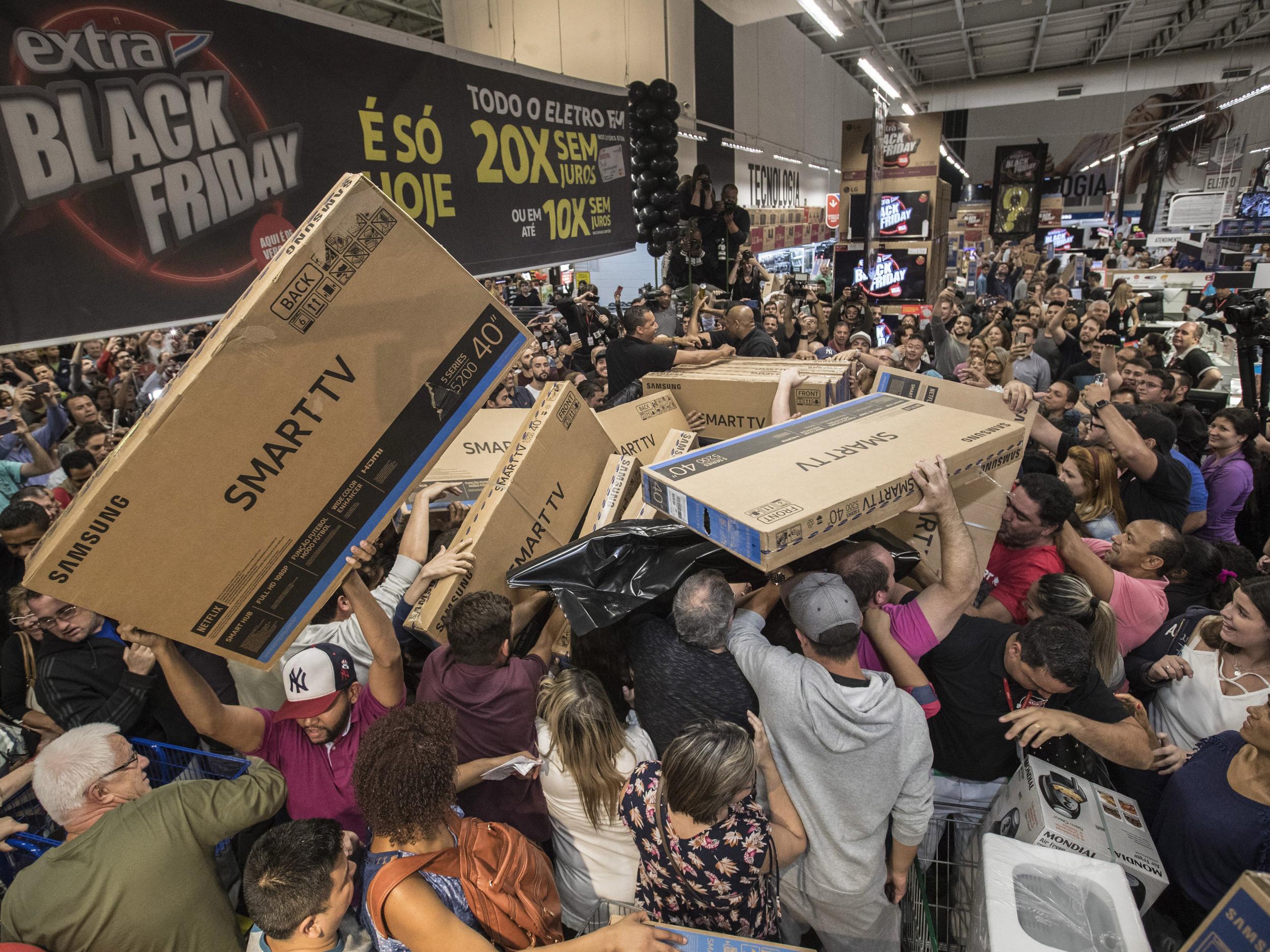
Black Friday takes place the day after Thanksgiving in the United States and traditionally marks the start of the holiday shopping season.
Originally, it was a chaotic, in-store experience:
Long lines
Early openings
Limited stock
Questionable life choices
Now it’s mostly moved online, but the core idea remains: massive discounts, especially on big-ticket items.
What Is Cyber Monday?
Cyber Monday
Cyber Monday was introduced later as the online counterpart to Black Friday.
It focused on:
E-commerce deals
Tech products
Online-only discounts
Over time, the line between the two has blurred to the point where they now feel like one long, extended sales period.
The Modern Reality: It’s Not Just One Day Anymore
Let’s clear up the biggest myth.
Neither Black Friday nor Cyber Monday is just a single day anymore.
Retailers now run:
Early access sales
“Black Friday Week”
Pre-Black Friday deals
Extended Cyber Week promotions
The entire event has stretched into a multi-week marathon designed to keep you constantly “almost buying something.”
So if you’re waiting for a specific day, you might already be late.
Key Differences Between Black Friday and Cyber Monday
Shopping Style
Black Friday:
Traditionally in-store
Now hybrid (online + physical)
Focus on big, attention-grabbing discounts
Cyber Monday:
Fully online
More niche and category-specific deals
Focus on convenience
Deal Types
Black Friday:
TVs
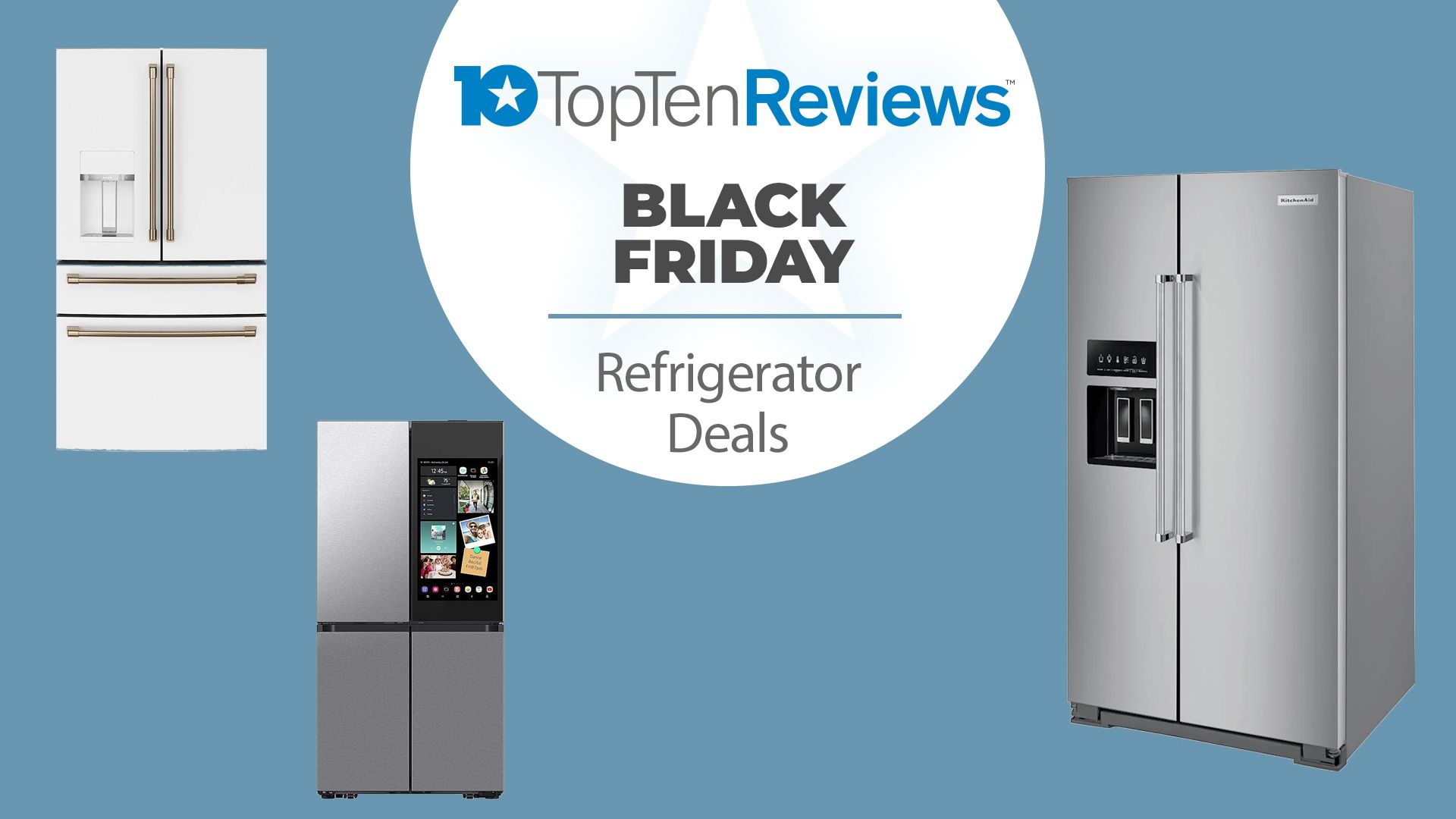
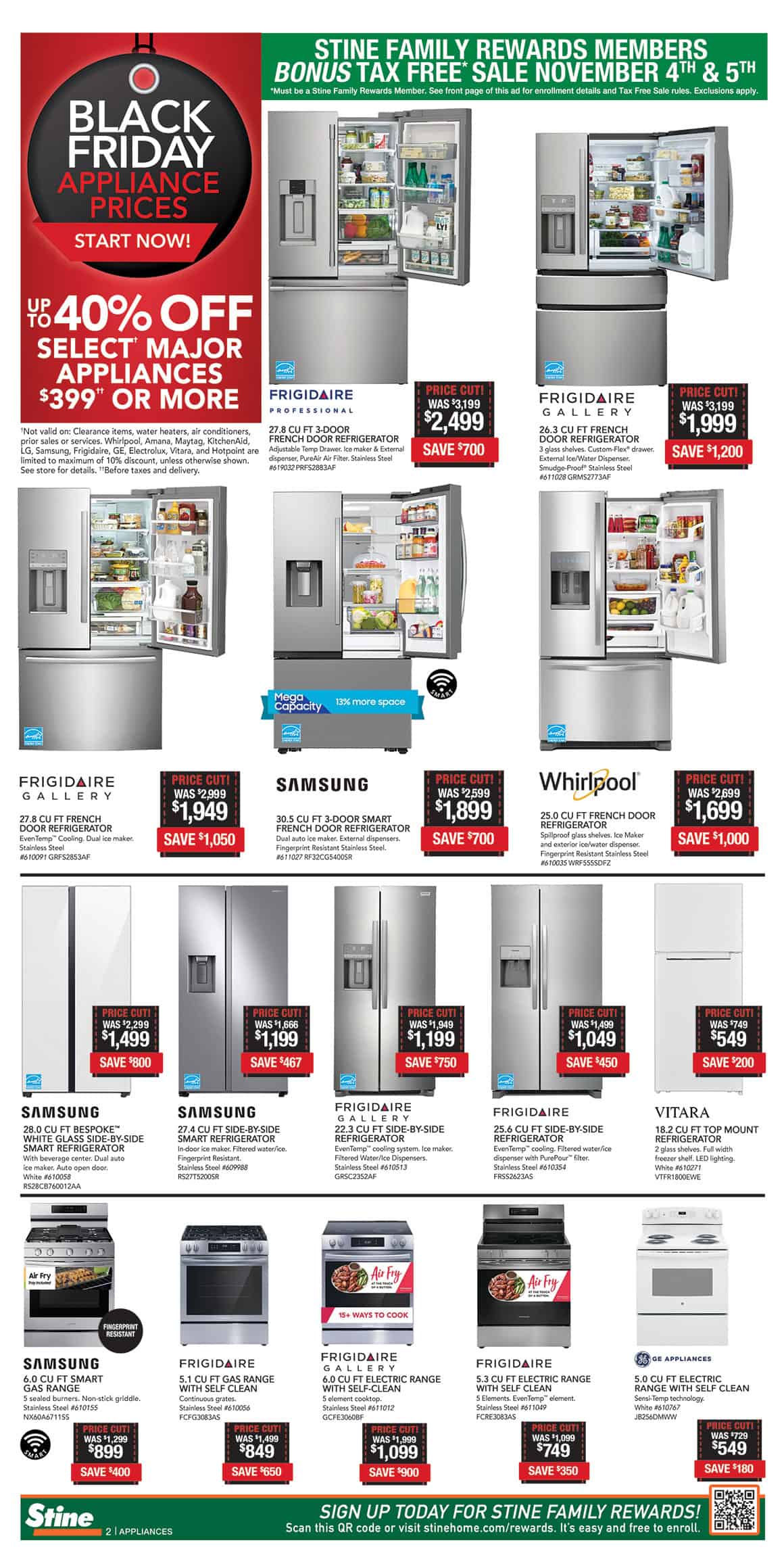
Appliances
Gaming consoles
Large electronics
Cyber Monday:
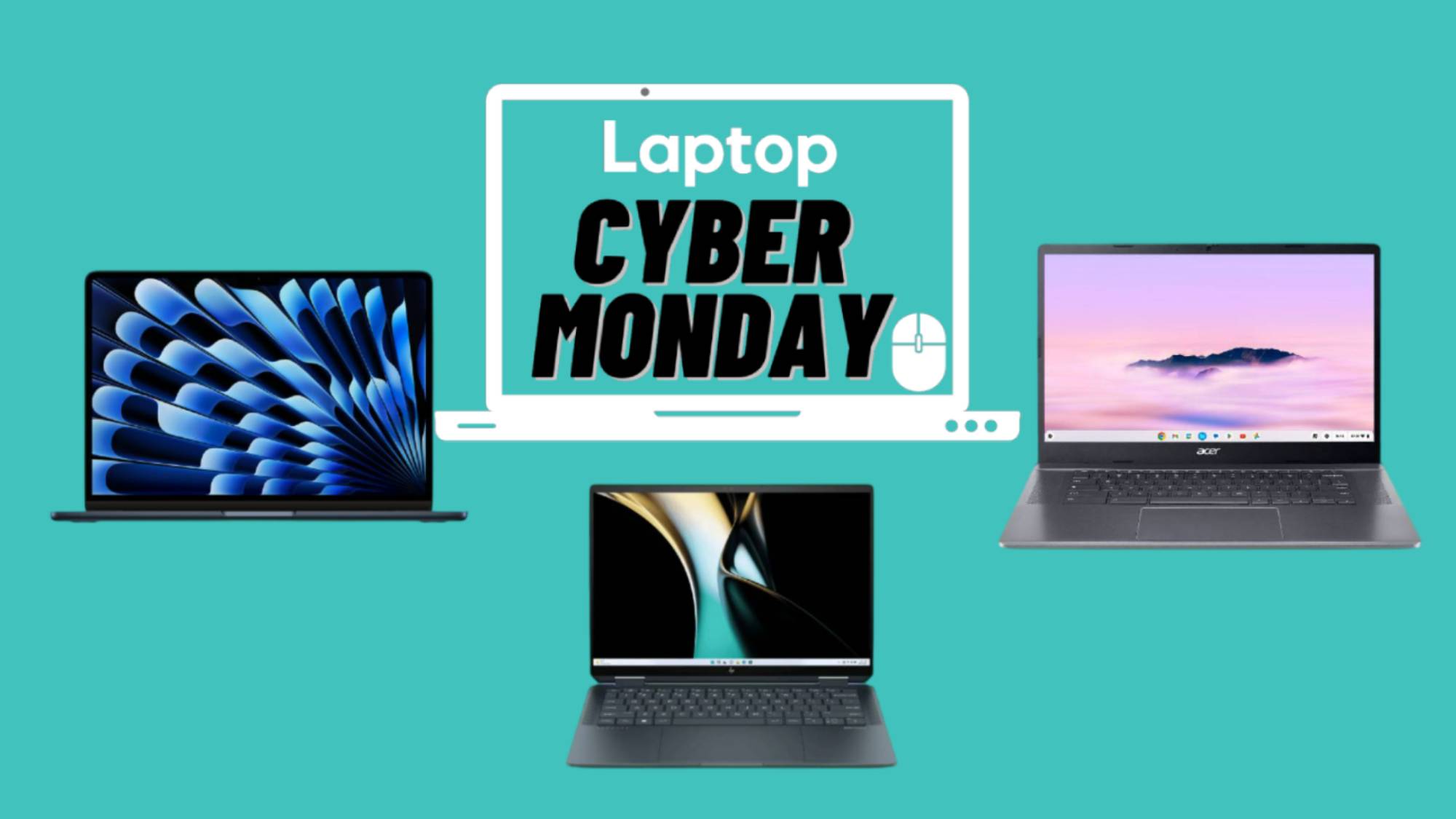
Laptops
Software
Subscriptions
Smaller electronics
Urgency vs Convenience
Black Friday leans heavily on urgency and scarcity. Cyber Monday leans on convenience and accessibility.
Same goal, different tactics.
When Black Friday Deals Are Better
Big-Ticket Electronics
If you’re buying:
TVs
Home appliances
Gaming consoles
Black Friday usually offers the best deals.
Retailers use these products as “loss leaders” to attract attention. The discounts are often real, though sometimes attached to lower-spec models created specifically for the event.
Yes, that TV might be cheaper. It might also be slightly… less impressive than it sounds.
In-Store Clearance Deals
Physical stores still use Black Friday to clear inventory.
You may find:
Deep discounts on older models
Clearance items
Limited stock deals
These can be excellent if you’re flexible and not obsessed with the newest version of everything.
Doorbuster Deals
“Doorbusters” are:
Extremely limited
Deeply discounted
Designed to create urgency
They can be worth it, but they’re also designed to get you in the door so you buy other things at normal prices.
Classic retail psychology.
When Cyber Monday Deals Are Better
Tech and Digital Products
Cyber Monday shines for:
Laptops
Accessories
Software subscriptions
Online services
Because these products are easier to sell and distribute digitally, retailers can offer more flexible pricing.
Better Online Pricing
Cyber Monday often includes:
Price matching
Flash sales
Online-exclusive discounts
Retailers compete aggressively because everything happens in the same digital space.
Less Chaos
No crowds. No lines. No parking battles.
Just you, your device, and questionable impulse control.
The Truth About Discounts
Here’s the part retailers hope you don’t think about.
Not all “deals” are real.
Common Tricks
Inflated original prices
Slightly downgraded product versions
Limited stock to create urgency
Bundles that look valuable but aren’t
A “50% off” label doesn’t mean much if the price was artificially raised before the sale.
Category Breakdown: When to Buy What
Buy on Black Friday
TVs
Large appliances
Gaming consoles
Furniture
Buy on Cyber Monday
Laptops
Software
Headphones
Smart home devices
Either Day Works
Clothing
Small gadgets
Home goods
The difference here is usually minimal.
Timing Matters More Than the Day
The biggest secret?
The best deals don’t always happen on the main days.
Early Deals
Retailers release strong deals before Black Friday to capture early buyers.
Mid-Event Discounts
Some prices drop during the weekend between Black Friday and Cyber Monday.
Last-Minute Cyber Deals
Cyber Monday sometimes includes final clearance-style discounts.
How Retailers Manipulate Buying Behavior
Urgency Messaging
“Only 2 left!”
“Deal ends in 10 minutes!”
Sometimes true. Often exaggerated.
Anchoring
Showing a high original price makes the discount look bigger.
Bundling
Adding extra items to justify higher prices.
Constant Notifications
Emails, push notifications, ads. All designed to keep you in buying mode.
How to Actually Get the Best Deals
Set a Budget First
Decide how much you’re willing to spend before looking at deals.
Otherwise, your budget becomes “whatever seems reasonable at 2 AM.”
Make a List
Know what you want in advance.
Impulse shopping is where savings go to die.
Track Prices
Use price tracking tools before the event to know if a deal is actually good.
Compare Across Platforms
Never trust a single retailer.
Avoid Emotional Buying
If you didn’t plan to buy it, it’s not a deal. It’s a distraction.
Online vs In-Store: Which Is Better?
Online Advantages
Easier comparison
More options
Less chaos
In-Store Advantages
Immediate availability
Clearance deals
No shipping delays
The Rise of “Cyber Week”
Retailers have merged both events into:
Black Friday Week
Cyber Week
The distinction is fading. The strategy is continuous engagement.
Who Actually Saves the Most?
The people who benefit the most are:
Planned buyers
Patient shoppers
People who track prices
Not the ones panic-refreshing pages.
Who Loses?
Impulse buyers
Deal chasers without a plan
People who equate discounts with necessity
Retailers love these customers.
Final Verdict: Which Is Better?
Here’s the honest answer:
Black Friday is better for big physical items
Cyber Monday is better for tech and online deals
But the real winner is:
The person who shops strategically, not emotionally.
Final Thoughts
Black Friday and Cyber Monday are less about saving money and more about how you approach spending.
The deals are real. The hype is also real. And the line between the two is intentionally blurry.
If you understand:
What you need
When prices drop
How retailers operate
You can come out ahead.
If not, you’ll still get something delivered to your door. It just might not be the “deal” you thought it was.
And honestly, that’s how most of this works.
FAQs
Are Black Friday deals better than Cyber Monday deals?
Black Friday is generally better for big-ticket items like TVs, appliances, and gaming consoles, while Cyber Monday tends to offer better deals on laptops, software, and smaller electronics. The best choice depends on what you plan to buy.
Is it better to shop early or wait until Cyber Monday?
It depends on the product. Some of the best deals appear before Black Friday, while others drop during Cyber Monday. Tracking prices and buying when you see a genuine discount is more effective than waiting for a specific day.
Are Black Friday and Cyber Monday deals actually real?
Some deals are genuine, but others use tactics like inflated original prices, limited stock, or lower-spec versions of products. It’s important to compare prices and check product details before purchasing.
What products are cheapest on Cyber Monday?
Cyber Monday is best for tech-related products like laptops, accessories, software subscriptions, and digital services, as retailers focus heavily on online-friendly categories.
What is the biggest mistake shoppers make during these sales?
The biggest mistake is impulse buying without a plan. Many shoppers purchase items they don’t need simply because of discounts, which often leads to spending more instead of saving.
Best Review
“Turning clicks into clients with AI‑supercharged web design & marketing.”
Let’s build your future site ➔
Passionate Web Developer, Freelancer, and Entrepreneur dedicated to creating innovative and user-friendly web solutions. With years of experience in the industry, I specialize in designing and developing websites that not only look great but also perform exceptionally well.