Independent reviews. No paid rankings. No sponsored placements.

Marketing used to be about guesswork, creativity, and a bit of luck. Now? It’s about data, automation, and artificial intelligence doing half the job while humans try to keep up. AI marketing tools have moved from “nice-to-have” to “if you’re not using them, you’re already behind.”
In 2026, AI isn’t just optimizing campaigns—it’s creating content, predicting behavior, automating decisions, and personalizing experiences at scale. Whether you’re a solo creator, a startup founder, or running a full-blown marketing team, AI tools are now essential infrastructure.
Best Marketing Software & Tools in 2026
This guide breaks down everything you need to know about AI marketing tools—from what they are to which ones actually matter.
What Are AI Marketing Tools?
AI marketing tools are software platforms that use artificial intelligence—like machine learning, natural language processing, and predictive analytics—to automate and improve marketing tasks.
Instead of manually analyzing data or writing content from scratch, these tools can:
- Generate blog posts, ads, and social media content
- Predict customer behavior and buying intent
- Optimize ad targeting and bidding
- Personalize email campaigns
- Analyze performance data in real time
In short, they make marketing faster, smarter, and less dependent on human guesswork.
Why AI Marketing Tools Matter in 2026
Let’s be honest—marketing without AI in 2026 is like trying to run a business without the internet. Technically possible. Practically painful.
1. Data Overload
Marketers deal with massive amounts of data. AI tools process it instantly and extract actionable insights.
2. Personalization at Scale
Customers expect tailored experiences. AI delivers hyper-personalized content without requiring a massive team.
3. Efficiency and Automation
AI reduces manual work—freeing up time for strategy and creativity.
4. Better ROI
Smarter targeting and optimization mean less wasted spend.
Types of AI Marketing Tools
1. AI Content Creation Tools
These tools generate written, visual, and video content.
Use Cases:
- Blog writing
- Ad copy generation
- Social media posts
- Video scripts
Examples: Jasper, Copy.ai, Writesonic
2. AI SEO Tools
AI-powered SEO tools help with keyword research, content optimization, and ranking analysis.
Use Cases:
- Keyword clustering
- SERP analysis
- Content optimization
Examples: Surfer SEO, Clearscope
3. AI Email Marketing Tools
These tools optimize subject lines, send times, and personalization.
Use Cases:
- Automated email campaigns
- Behavioral targeting
Examples: Mailchimp AI, ActiveCampaign
4. AI Social Media Tools
AI helps schedule, create, and analyze social media content.
Use Cases:
- Caption generation
- Trend analysis
Examples: Hootsuite AI, Buffer AI
5. AI Advertising Tools
AI improves ad targeting and bidding strategies.
Use Cases:
- PPC optimization
- Audience segmentation
Examples: Google Ads AI, Meta Advantage+
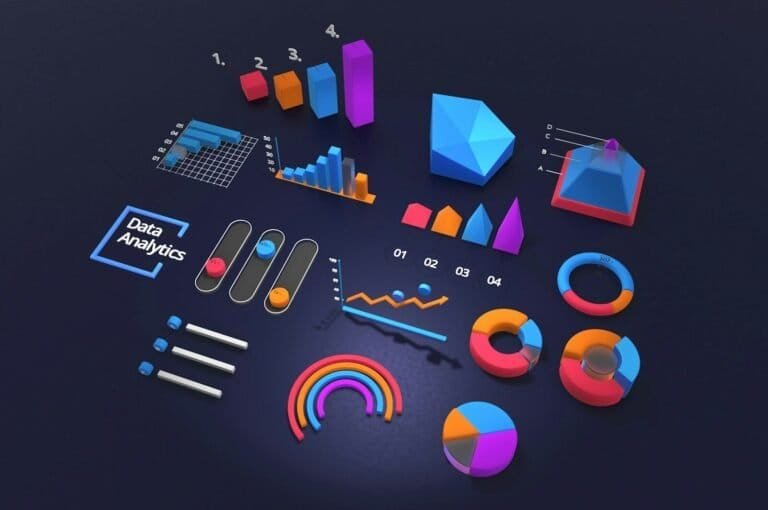
6. AI Analytics Tools
These tools provide insights and predictive analytics.
Use Cases:
- Customer segmentation
- Predictive modeling
Examples: Google Analytics AI, HubSpot AI
Best AI Marketing Tools in 2026
1. Jasper
One of the most popular AI writing tools for marketers.
Pros:
- High-quality content generation
- Templates for ads, blogs, and emails
Cons:
- Can be expensive for small teams
2. Copy.ai
Great for quick content generation.
Pros:
- Easy to use
- Fast outputs
Cons:
- Less customization
3. HubSpot AI
A complete marketing automation platform with AI features.
Pros:
- All-in-one solution
- Strong CRM integration
Cons:
- Pricing can scale quickly
4. Surfer SEO
Excellent for content optimization.
Pros:
- Data-driven recommendations
Cons:
- Requires learning curve
5. Mailchimp AI
Popular email marketing platform with AI features.
Pros:
- Automation workflows
Cons:
- Limited advanced AI features
How to Choose the Right AI Marketing Tool
Choosing an AI tool shouldn’t feel like gambling, but for many marketers, it does.
Consider These Factors:
- Budget: Don’t overspend on features you won’t use
- Use Case: Content, SEO, ads, or analytics?
- Ease of Use: Complexity can slow adoption
- Integration: Must work with your existing stack
- Scalability: Will it grow with your business?
Benefits of AI Marketing Tools
1. Speed
AI can generate content in seconds.
2. Accuracy
Better targeting reduces errors.
3. Scalability
Run campaigns at scale without increasing team size.
4. Insights
Predict trends before they happen.
Challenges and Limitations
AI isn’t magic—it’s just very good math.
1. Lack of Creativity
AI still struggles with truly original ideas.
2. Data Dependency
Poor data = poor results.
3. Cost
Some tools are expensive.
4. Over-Reliance
Too much automation can hurt brand voice.
Future of AI Marketing Tools
AI marketing tools are evolving fast, and the future looks… slightly terrifying but mostly exciting.
Trends to Watch:
- Hyper-personalization
- AI-generated video content
- Voice and conversational marketing
- Autonomous marketing systems
Conclusion
AI marketing tools are no longer optional—they’re essential. The real question isn’t whether to use AI, but how effectively you can integrate it into your strategy.
The marketers who win in 2026 won’t be the ones working harder—they’ll be the ones working smarter with AI.
FAQs
1. What are AI marketing tools?
AI marketing tools are software platforms that use artificial intelligence to automate and optimize marketing tasks like content creation, analytics, and campaign management.
2. Are AI marketing tools worth it?
Yes, they improve efficiency, reduce costs, and increase ROI when used correctly.
3. Which AI marketing tool is best?
It depends on your needs. Jasper is great for content, while HubSpot is ideal for all-in-one marketing.
4. Can AI replace marketers?
No, but it can significantly reduce manual work and enhance decision-making.
5. Are AI marketing tools expensive?
They range from free to premium pricing. Many offer scalable plans based on usage.