Independent reviews. No paid rankings. No sponsored placements.

Artificial Intelligence has rapidly evolved from a niche technology into a mainstream productivity powerhouse. In 2026, AI platforms help individuals and businesses automate workflows, generate content, analyze data, write code, design images, and even build full applications.
With hundreds of tools now available, choosing the right AI software can be overwhelming. This guide highlights the best artificial intelligence platforms in 2026, covering the most powerful tools across productivity, coding, content creation, and automation.
1. ChatGPT – Best Overall AI Platform
Developer: OpenAI
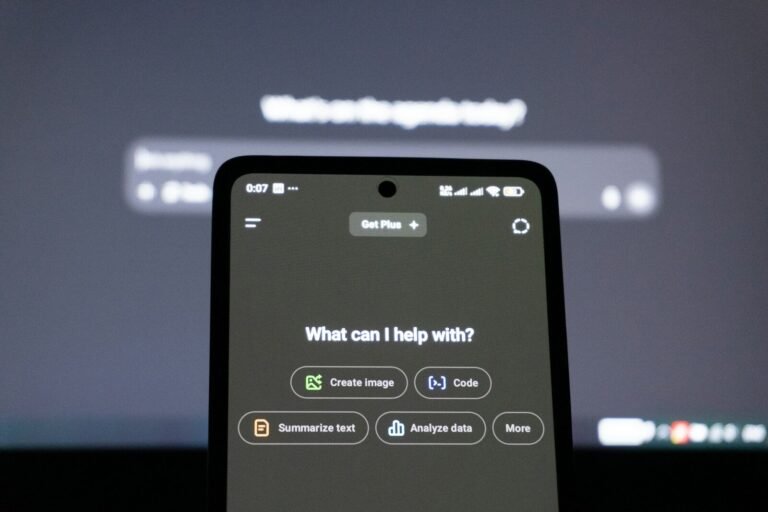
ChatGPT remains one of the most widely used AI platforms in the world. It provides conversational AI capable of writing content, coding, researching information, analyzing data, and assisting with complex tasks.
The platform supports advanced language models that understand context, generate high-quality text, and integrate with apps, plugins, and APIs for automation and productivity.
Key Features
- Conversational AI assistant
- Code generation and debugging
- Research and knowledge assistance
- Image and content generation
- API integrations for developers
ChatGPT continues to dominate AI usage, receiving billions of visits per month and leading the global AI tool ecosystem. (Exploding Topics)
2. Google Gemini – Best AI for Multimodal Capabilities
Developer: Google
Google Gemini is one of the most powerful AI platforms designed to work across text, images, video, and data simultaneously. It is deeply integrated with Google Workspace products such as Docs, Gmail, and Sheets.
Gemini models can process extremely large datasets and long documents, making them useful for research, analysis, and enterprise applications.
Key Features
- Multimodal AI processing
- Deep integration with Google Workspace
- Advanced reasoning capabilities
- Large context windows for long documents
Gemini models are known for their ability to analyze thousands of pages or hours of content in a single prompt. (DataNorth AI)
3. Claude – Best AI for Writing and Long Documents
Developer: Anthropic
Claude is a powerful AI assistant focused on safety, reasoning, and long-context analysis. It excels at handling complex writing tasks, research analysis, and coding support.
Many organizations use Claude to process large reports, legal documents, and research papers thanks to its ability to understand extremely long inputs.
Key Features
- Strong reasoning and writing ability
- Long-context document analysis
- Coding and research assistance
- Enterprise AI integrations
Anthropic’s Claude models are designed with safety and alignment in mind, emphasizing ethical AI development. (LangDB AI Gateway)
4. Microsoft Copilot – Best AI for Workplace Productivity
Developer: Microsoft
Microsoft Copilot integrates AI directly into popular business software like Word, Excel, PowerPoint, and Outlook.
This allows users to generate documents, summarize emails, analyze spreadsheets, and automate tasks directly inside their workflow.
Key Features
- AI inside Microsoft 365 apps
- Automated document creation
- Data analysis in Excel
- AI-assisted presentations
Copilot is becoming a core productivity assistant for modern workplaces and enterprise teams.
5. Midjourney – Best AI Image Generation Platform
Developer: Midjourney Inc.
Midjourney is one of the most popular AI tools for generating high-quality images and digital art. It is widely used by designers, marketers, and content creators.
The platform can produce realistic images, illustrations, and creative artwork from simple text prompts.
Key Features
- Advanced AI image generation
- Artistic and photorealistic styles
- Concept art and design generation
- Creative workflows for designers
Midjourney remains one of the leading platforms for AI art and visual creativity. (trendsbyai.com)
6. Hugging Face – Best Open-Source AI Platform
Developer: Hugging Face
Hugging Face provides an open ecosystem for machine learning models, datasets, and AI tools. Developers can access thousands of pre-trained models for tasks such as natural language processing, computer vision, and speech recognition.
The platform plays a major role in the open-source AI movement.
Key Features
- Thousands of open-source AI models
- Model hosting and deployment
- Machine learning collaboration
- APIs and developer tools
It’s widely used by researchers and startups building AI-powered applications.
7. Perplexity AI – Best AI Search Engine
Perplexity AI is a conversational search engine that combines AI responses with real-time web citations.
Instead of returning traditional search results, Perplexity provides summarized answers with sources, making research significantly faster.
Key Features
- AI-powered search engine
- Real-time web answers with sources
- Research and academic assistance
- File and document analysis
The tool has quickly become one of the fastest-growing AI research platforms.
8. Stability AI – Best Open Image Generation Ecosystem
Stability AI is the company behind Stable Diffusion, one of the most popular open-source image generation models.
Unlike closed platforms, Stable Diffusion allows developers and creators to customize and run AI models locally.
Key Features
- Open-source image generation
- Custom AI model training
- Developer-friendly ecosystem
- Local AI deployment options
This flexibility has made it extremely popular among developers and AI researchers.
9. Runway AI – Best AI Video Generation Platform
Runway is one of the leading AI video generation tools used by creators, filmmakers, and marketing teams.
The platform can generate videos, remove backgrounds, create visual effects, and edit footage using AI.
Key Features
- AI video generation
- Video editing automation
- Green screen removal
- Creative video tools
Runway is rapidly becoming essential for modern video production workflows.
10. DataRobot – Best Enterprise AI Platform
DataRobot focuses on helping companies build, deploy, and manage machine learning models at scale.
It offers automated machine learning tools, model monitoring, and governance features that help organizations safely deploy AI systems.
Key Features
- Automated machine learning
- AI model deployment and monitoring
- Governance and compliance tools
- Enterprise-grade AI infrastructure
DataRobot helps companies turn raw data into deployable AI solutions. (Medium)
Key Categories of AI Software in 2026
The AI ecosystem is now divided into several major categories:
1. Conversational AI Platforms
- ChatGPT
- Claude
- Gemini
2. AI Creative Tools
- Midjourney
- Runway
- Stability AI
3. AI Research & Knowledge Tools
- Perplexity AI
- Elicit
- NotebookLM
4. AI Development Platforms
- Hugging Face
- DataRobot
- Azure OpenAI
AI tools now span writing, coding, video production, research, automation, and enterprise data analysis. (Clarifai)
How to Choose the Best AI Platform
The best AI software depends on your goals:
For writing and productivity:
ChatGPT, Claude
For research and search:
Perplexity AI
For images and creative work:
Midjourney, Stable Diffusion
For enterprise AI systems:
DataRobot, Azure OpenAI
For developers:
Hugging Face
In reality, most professionals use multiple AI platforms together rather than relying on a single tool.
Final Thoughts
Artificial intelligence platforms are transforming how people work, learn, and create. From writing articles to generating videos and analyzing data, AI software is becoming an essential part of everyday digital workflows.
As AI technology continues to evolve, the most successful platforms will be those that combine powerful models, seamless integrations, and user-friendly interfaces.
And judging by how fast this industry moves, half of today’s tools will be replaced by something smarter next year. Humans build tools, then immediately build better ones. Strange species, but oddly impressive.
Frequently Asked Questions (FAQ) – Artificial Intelligence Software & Platforms
1. What is artificial intelligence software?
Artificial intelligence software refers to applications that use machine learning, natural language processing, or neural networks to perform tasks that typically require human intelligence, such as writing content, analyzing data, generating images, or automating workflows.
2. What are the most popular AI platforms in 2026?
Some of the most popular AI platforms in 2026 include ChatGPT, Google Gemini, Claude, Microsoft Copilot, Midjourney, Hugging Face, Perplexity AI, Runway AI, and Stability AI.
3. What can AI software be used for?
AI software can be used for many tasks including content writing, coding, image generation, video editing, business automation, research, customer support, and data analysis.
4. Is artificial intelligence software free to use?
Many AI platforms offer free versions with limited features. However, premium plans typically provide advanced models, higher usage limits, faster processing, and additional integrations.
5. Which AI tool is best for writing content?
AI tools such as ChatGPT, Claude, and Jasper are widely used for writing articles, marketing copy, emails, scripts, and other types of written content.
6. What is the best AI platform for image generation?
Platforms like Midjourney, DALL·E, and Stable Diffusion are popular AI image generation tools used by designers, marketers, and content creators.
7. Can AI software replace human workers?
AI software is designed to assist humans rather than fully replace them. It can automate repetitive tasks and improve productivity, but human creativity, decision-making, and critical thinking remain essential.
8. Are AI platforms safe to use?
Most reputable AI platforms follow security and privacy standards. However, users should always review privacy policies and avoid sharing sensitive personal or business information.
9. How do businesses use artificial intelligence platforms?
Businesses use AI platforms to automate customer service, analyze large datasets, generate marketing content, improve decision-making, and optimize workflows.
10. What industries benefit most from AI software?
Industries such as healthcare, finance, marketing, ecommerce, software development, education, and entertainment are rapidly adopting AI technologies to improve efficiency and innovation.