Independent reviews. No paid rankings. No sponsored placements.

Overview
When shopping for electronics or appliances, you’ll often encounter three common product conditions: refurbished, used, and open box. While all three can offer significant savings compared to buying new, they differ in terms of quality assurance, warranty coverage, and risk level.
This guide breaks down each category in detail, helping you make an informed purchase based on your budget, expectations, and risk tolerance.
Quick Comparison Snapshot
| Feature | Refurbished | Used | Open Box |
|---|---|---|---|
| Condition | Restored to working order | Sold as-is | Like new (minimal use) |
| Testing | Professionally tested | Usually not tested | Light inspection only |
| Warranty | Often included | Rare | Sometimes included |
| Price | Medium discount | Deep discount | Light–moderate discount |
| Risk Level | Low–Medium | High | Low |
What Does “Refurbished” Mean?
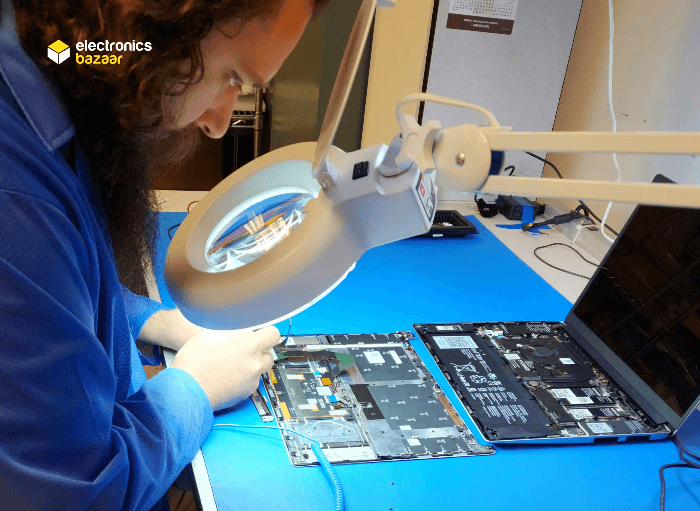
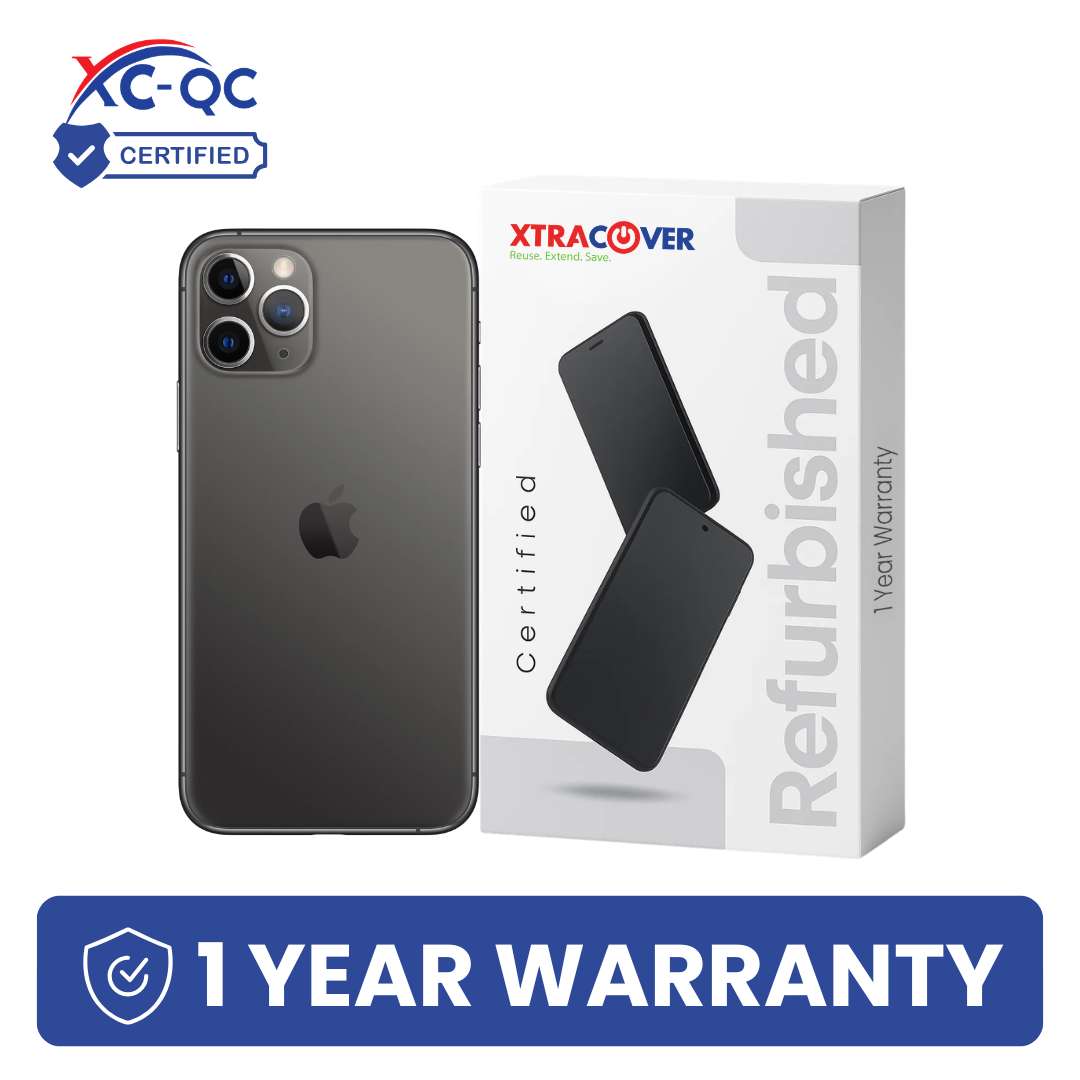
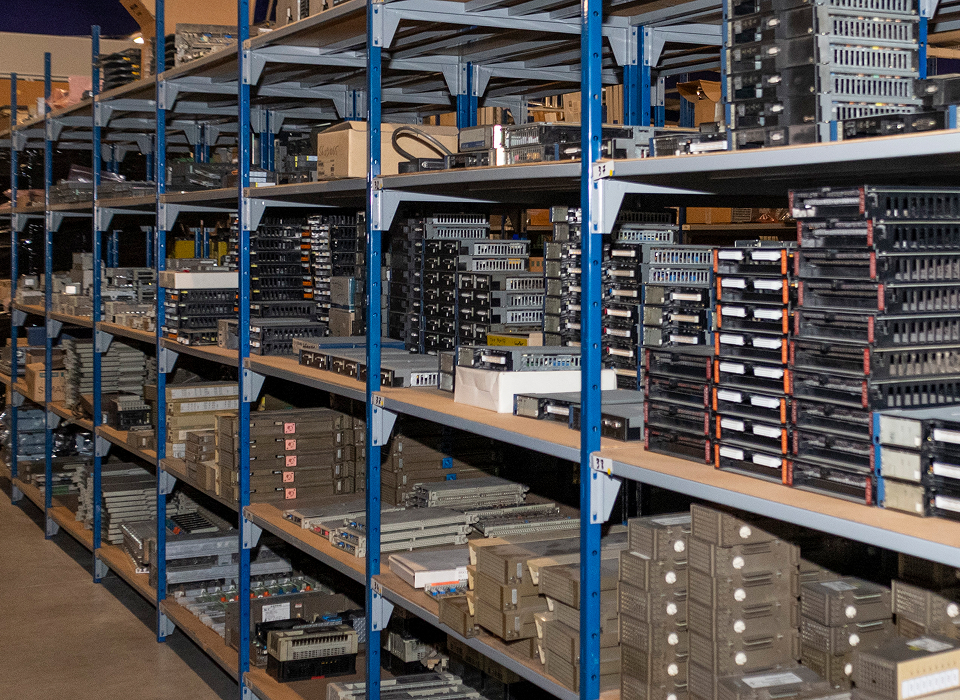
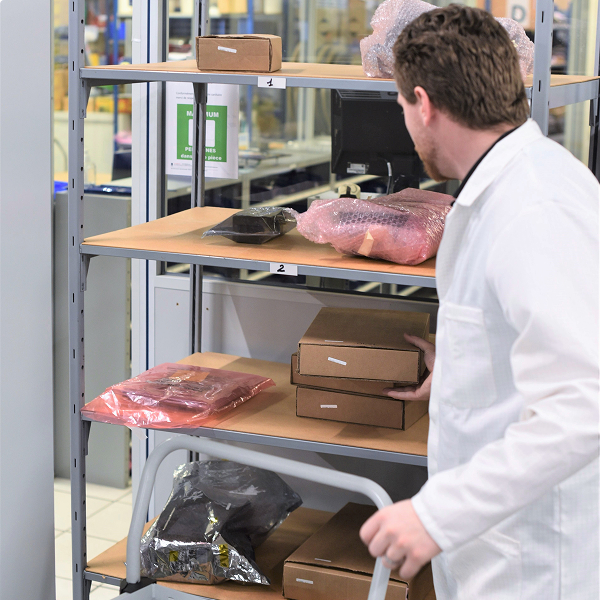
Refurbished products are items that have been returned, repaired (if needed), tested, and certified for resale.
Types of Refurbished Products
- Manufacturer Refurbished: Restored by the original brand
- Seller Refurbished: Restored by a third-party retailer
- Certified Refurbished: Includes verified testing and warranty
Key Characteristics
- Fully functional
- May show minor cosmetic wear
- Often includes warranty (30 days to 1 year)
- Repackaged (not always original box)
Pros
- Reliable performance
- Lower cost than new
- Warranty coverage
- Quality testing
Cons
- Limited availability
- Possible cosmetic imperfections
- Battery wear (in older devices)
What Does “Used” Mean?
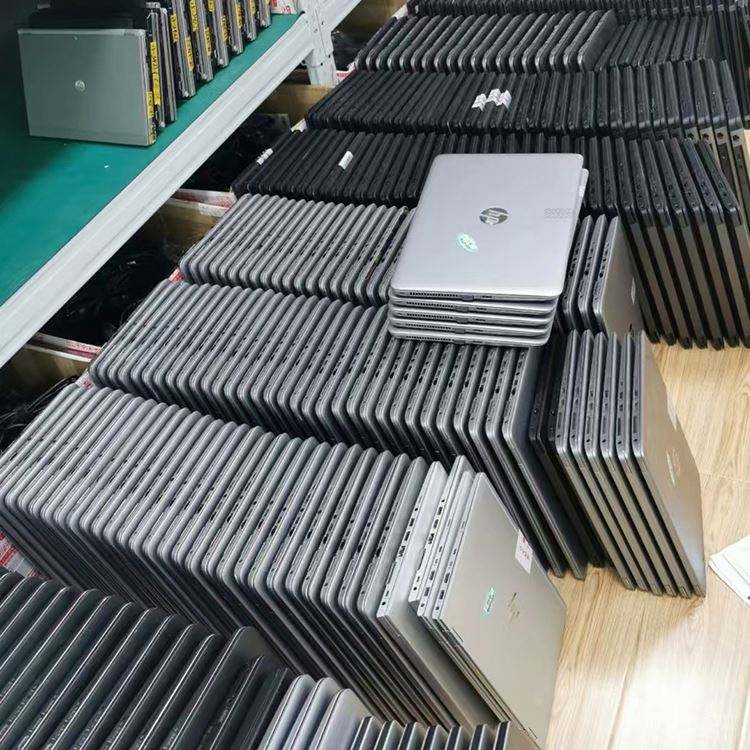

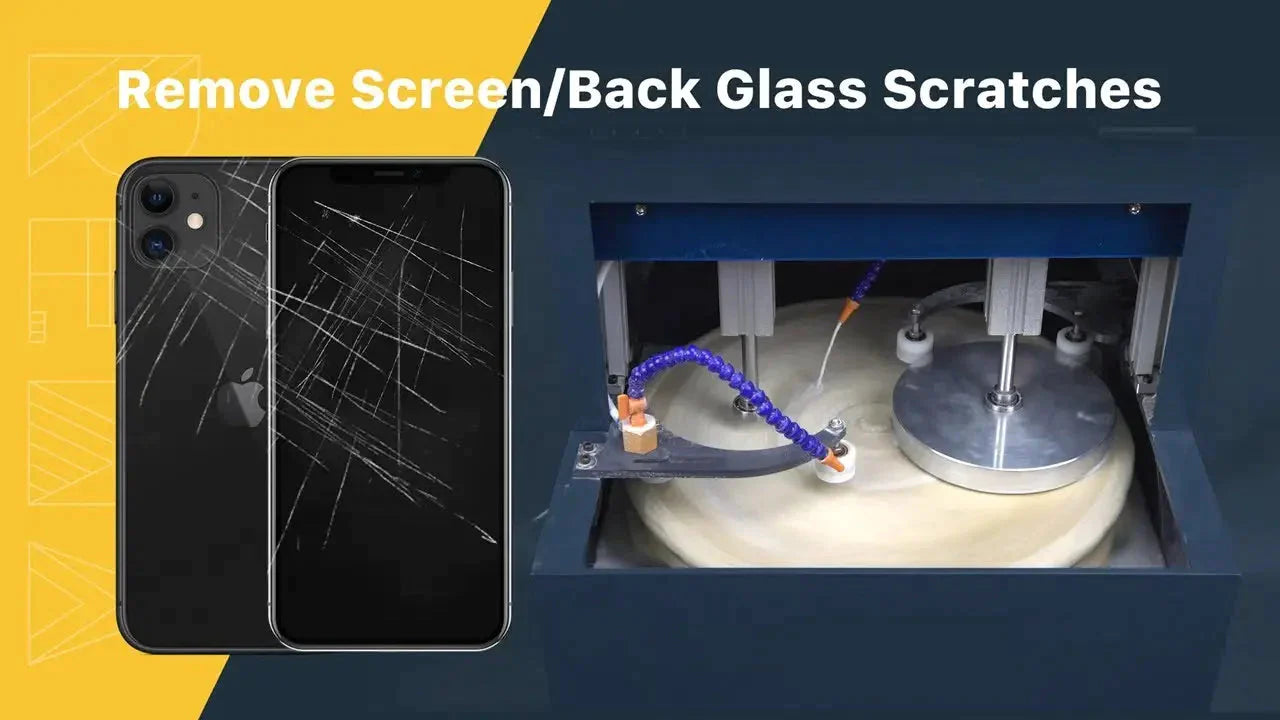

Used products are sold as-is by previous owners, with little to no professional inspection.
Key Characteristics
- No guaranteed testing
- Visible wear and tear likely
- No warranty (in most cases)
- Sold via marketplaces or individuals
Pros
- Lowest prices
- Wide availability
- Potential for great deals
Cons
- Higher risk of defects
- No return policy (often)
- Unknown usage history
- No support or warranty
What Does “Open Box” Mean?
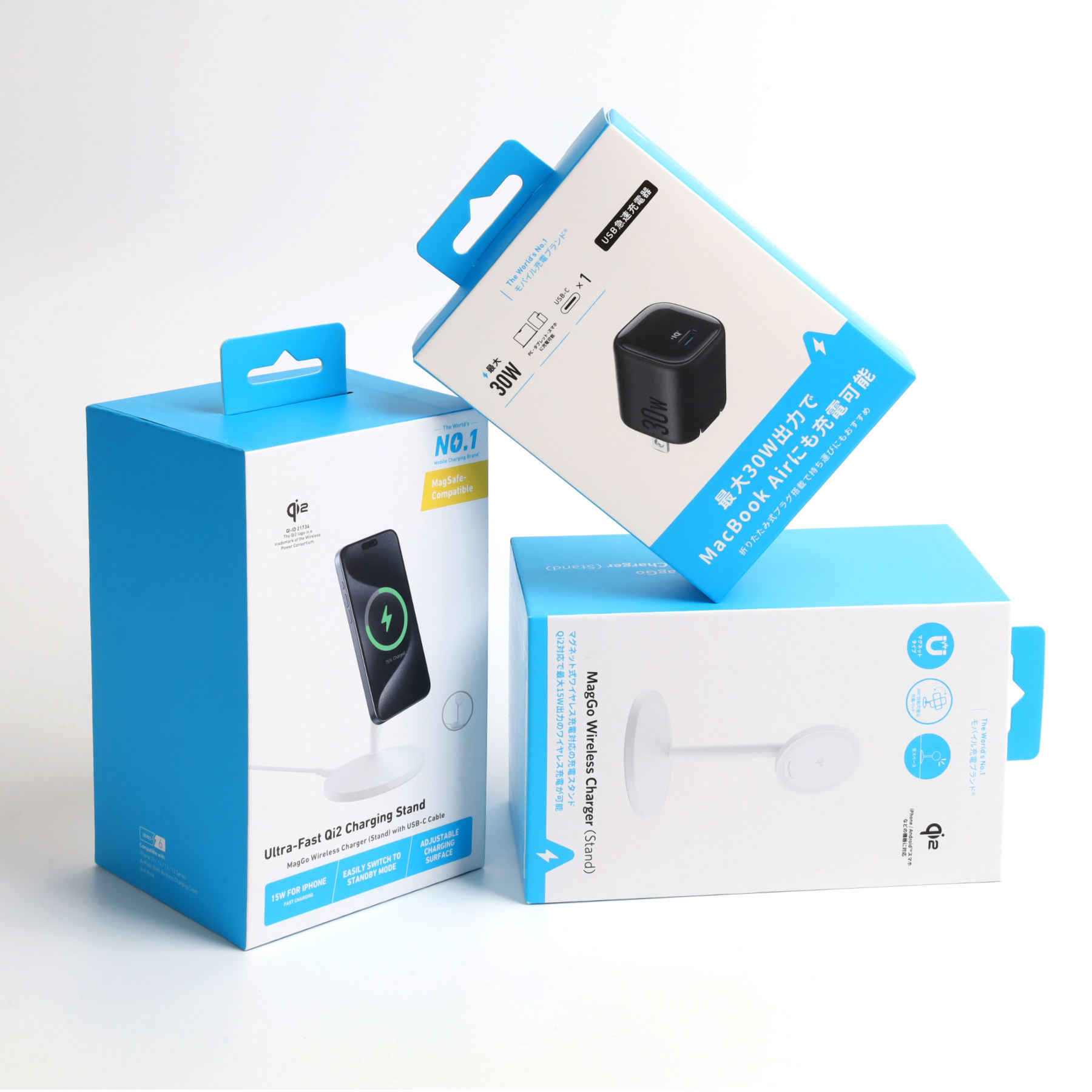
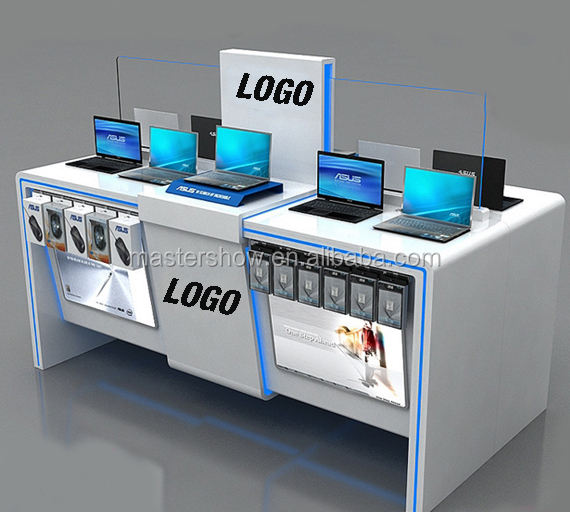
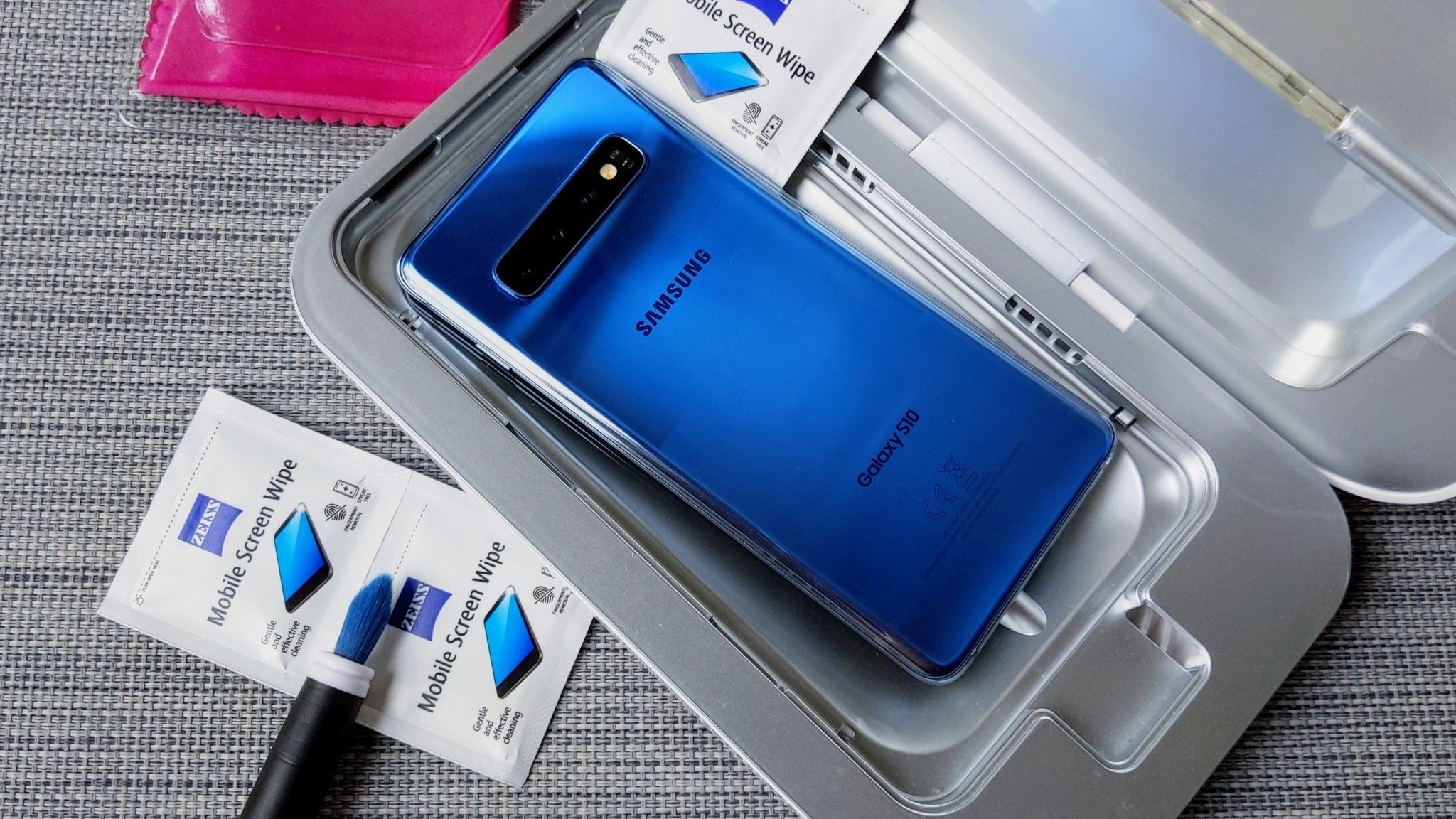
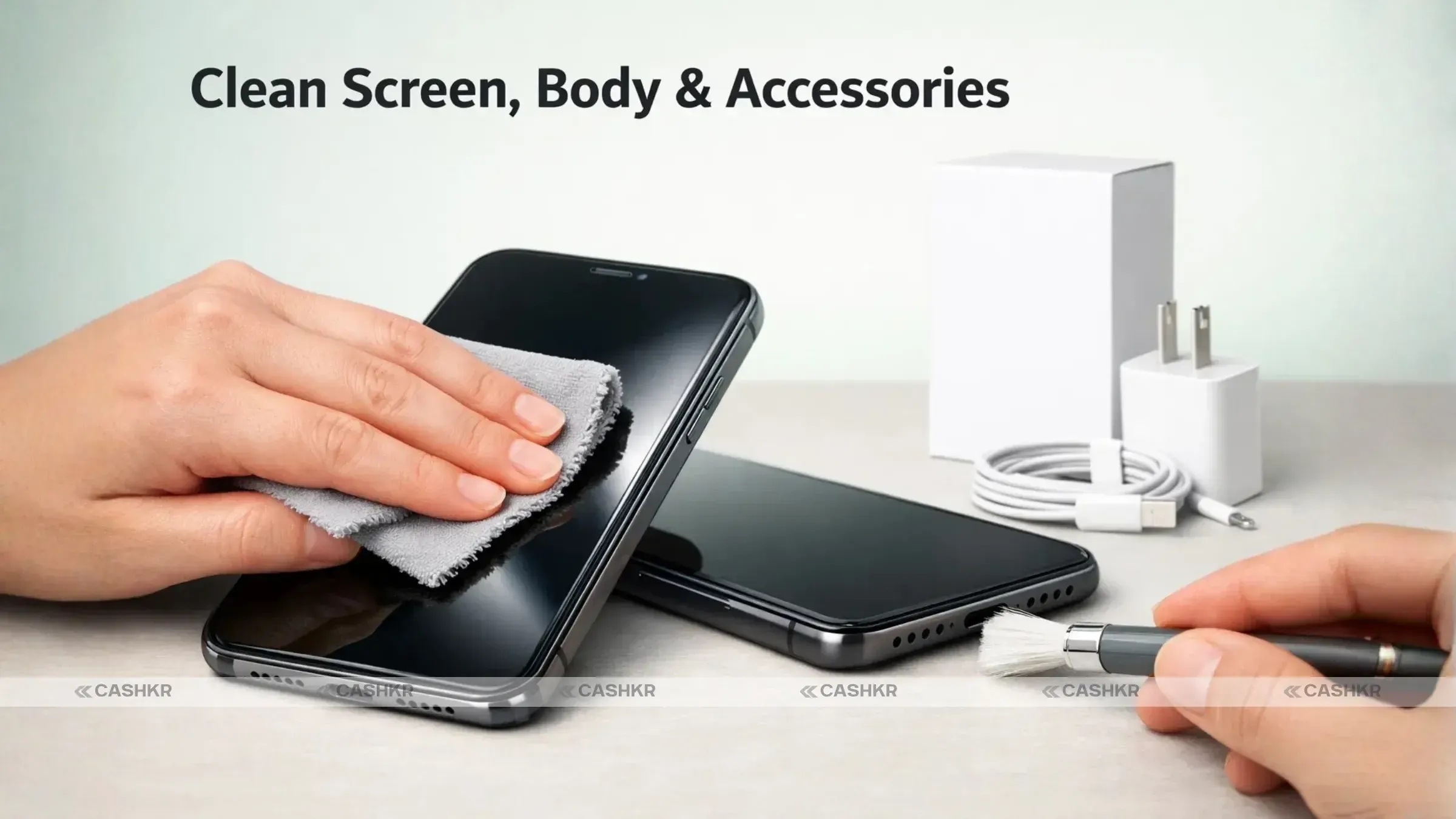
Open box items are products that have been purchased and returned shortly after opening, often with little or no use.
Common Reasons for Open Box
- Customer changed their mind
- Packaging damaged
- Display/demo units
- Minor shipping issues
Key Characteristics
- Like-new condition
- Original accessories usually included
- May come in original or replaced packaging
- Often eligible for return or warranty
Pros
- Near-new quality
- Lower price than new
- Low risk
- Often includes warranty
Cons
- Limited stock
- Packaging may not be perfect
- Slightly higher price than used
Key Differences Explained
1. Quality and Reliability
| Type | Reliability Level |
|---|---|
| Open Box | Very High |
| Refurbished | High |
| Used | Variable |
2. Warranty and Support
| Type | Warranty Coverage |
|---|---|
| Refurbished | Yes (most cases) |
| Open Box | Sometimes |
| Used | Rare |
3. Pricing Differences
| Type | Typical Discount |
|---|---|
| Open Box | 10–25% |
| Refurbished | 20–40% |
| Used | 30–70% |
When Should You Choose Each Option?
Choose Refurbished If:
- You want balance between price and reliability
- You need warranty protection
- You’re buying expensive electronics (laptops, phones)
Choose Used If:
- You’re on a tight budget
- You can inspect the product physically
- You accept higher risk
Choose Open Box If:
- You want like-new condition at a discount
- You prefer low-risk purchases
- You find a good deal from a trusted retailer
Real-World Buying Scenarios
| Scenario | Best Choice |
|---|---|
| Buying a laptop for work | Refurbished |
| Cheap backup phone | Used |
| TV or appliance from retailer | Open Box |
| Gaming console | Refurbished/Open Box |
| Accessories (keyboard, mouse) | Used/Open Box |
Where to Buy Safely
Recommended Sources
- Manufacturer stores (Apple, Dell, etc.)
- Certified retailers
- Trusted marketplaces with buyer protection
What to Check Before Buying
- Warranty duration
- Return policy
- Seller ratings
- Product condition grading
Condition Grading Explained
| Grade | Meaning |
|---|---|
| Like New | No visible wear |
| Excellent | Minor cosmetic marks |
| Good | Noticeable wear but functional |
| Fair | Heavier wear |
Common Mistakes to Avoid
- Assuming all refurbished items are the same
- Ignoring warranty terms
- Buying used without checking seller credibility
- Overpaying for open box (compare with new price)
- Not verifying battery health (for devices)
Pros and Cons Summary
Refurbished
Pros
- Reliable
- Warranty included
- Good value
Cons
- Not brand new
- Limited stock
Used
Pros
- Cheapest option
- Widely available
Cons
- High risk
- No support
Open Box
Pros
- Near-new condition
- Low risk
Cons
- Limited availability
- Smaller discounts
Expert Buying Tips
- Always prioritize seller reputation
- Check return windows (at least 7–30 days)
- Compare refurbished vs new pricing
- Look for certified refurbished labels
- Inspect accessories and packaging completeness
Final Verdict
Choosing between refurbished, used, and open box products depends on your priorities:
- Best overall value: Refurbished
- Lowest risk: Open box
- Lowest price: Used
For most buyers in 2026, refurbished products offer the best balance of savings, reliability, and protection, especially when purchased from reputable sources.
Overall Rating (Buying Value)
| Category | Refurbished | Used | Open Box |
|---|---|---|---|
| Value for Money | 4.6 | 4.8 | 4.3 |
| Reliability | 4.5 | 3.2 | 4.8 |
| Risk Level | 4.2 | 2.8 | 4.7 |
| Availability | 4.0 | 4.9 | 3.8 |
FAQ
Is refurbished better than used?
Yes, refurbished is generally safer due to testing and warranty.
Are open box items basically new?
In most cases, yes—they are lightly used or returned items.
Can refurbished products fail?
Yes, but warranty coverage reduces risk.
Is it safe to buy used electronics online?
Only if the seller is reputable and offers buyer protection.
Which option saves the most money?
Used products typically offer the biggest discounts but with higher risk.